- Several trade unions have privately expressed concern over the British Medical Association’s high pay demands.
- The BMA is seeking more than the awarded 3.5 percent while other staff receive less.
- Internal disputes have emerged as BMA staff plan their own strikes over a lower offer.
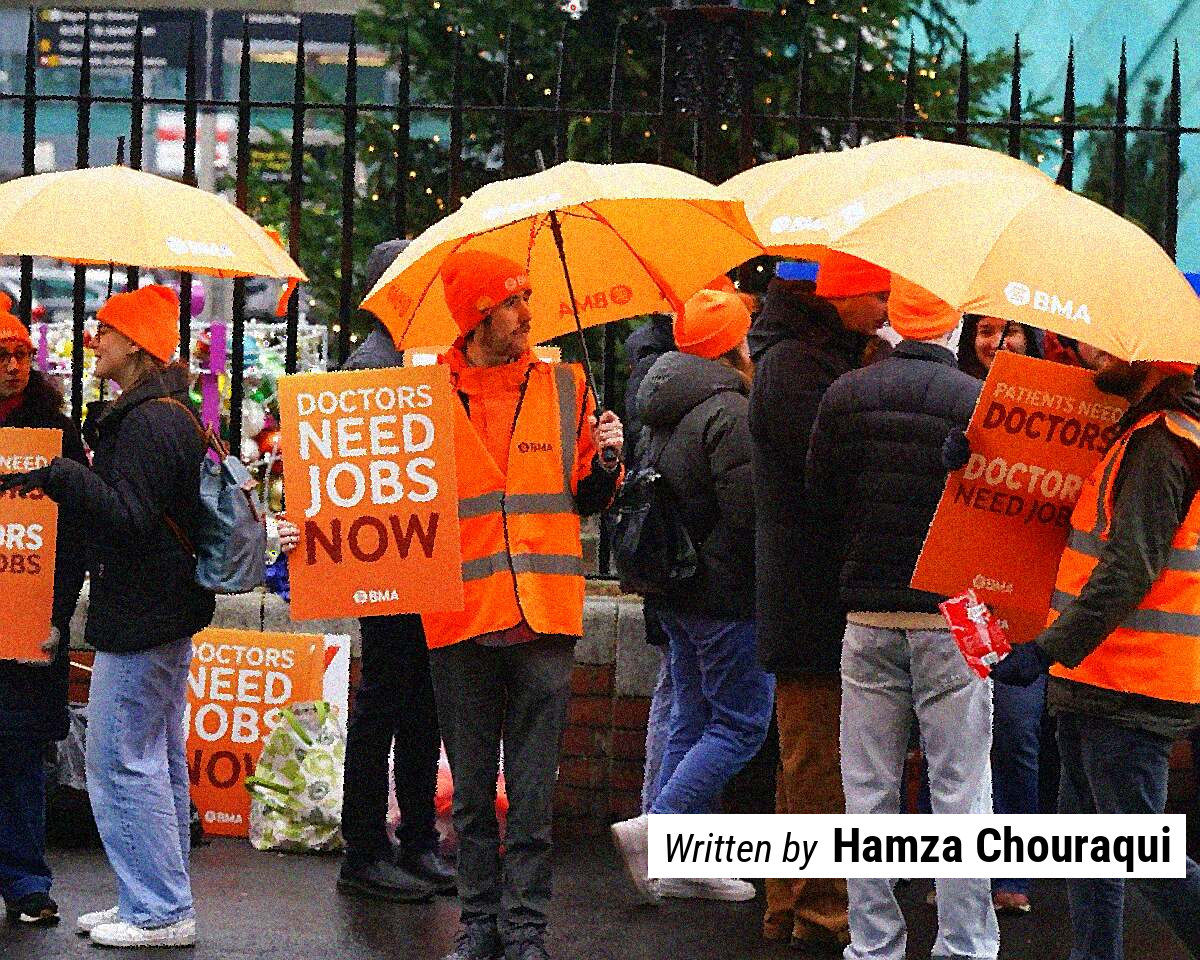
Internal tensions are rising within the healthcare sector as other trade unions criticize the British Medical Association. These organizations have privately questioned the BMA’s aggressive strategy and pay demands. While resident doctors prepare for industrial action, some labor leaders believe the current approach ignores the broader economic challenges facing the National Health Service.
The core of the dispute rests on a 3.5 percent pay offer from the government. The BMA has rejected this figure, pushing for significant pay restoration to rectify losses since 2008. Meanwhile, more than 1,000,000 other NHS employees are facing a lower 3.3 percent increase. This disparity has made it difficult for other unions to sell similar deals to their members.
Critics within the movement argue that the BMA’s leadership lacks the necessary professional experience for complex talks. Some suggest that using resident doctors as primary negotiators instead of seasoned experts results in a chaotic process. There is a growing sense that this group struggles to maintain a pragmatic perspective on long-term workforce conditions and the wider political landscape.
Resentment is also building among unions representing nurses, midwives, and porters. These groups feel that the government prioritizes the concerns of doctors over other essential staff members. While the BMA insists it is simply doing its duty for its members, other labor organizations argue that the current competitive dynamic undermines collective efforts to improve pay for everyone.
Further complications have emerged from a domestic dispute between the BMA and the GMB union. Staff employed by the BMA are planning to strike on 7 April because they were offered only 2.75 percent. This internal conflict highlights a perceived hypocrisy, as the BMA offers its own workers less than the amount it rejects for doctors.
Official data indicates that pay satisfaction among medical and dental staff has risen by 18 points since 2023. In contrast, satisfaction remains stagnant or falling for those covered by the different Agenda for Change contracts. This gap reinforces the belief among many health workers that they remain undervalued by the government despite recent political changes.