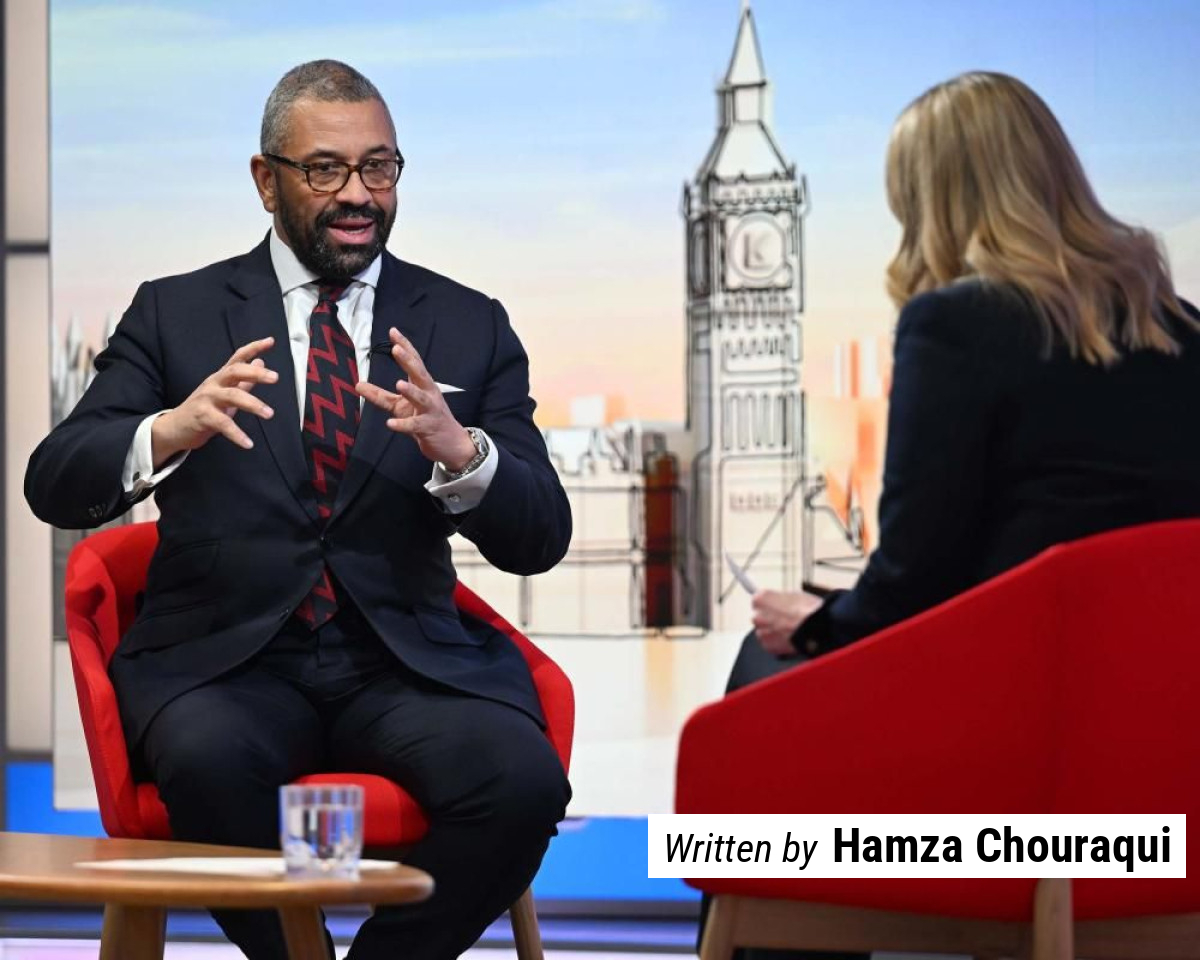
- James Cleverly publicly rejected Nick Timothy’s claim that public Muslim prayers represent an act of political domination.
- Emma Best defended the fundamental right of all British citizens to practice their religious worship in public spaces.
- Critics and government officials challenged Conservative leadership to clarify their stance on various public religious ceremonies.
Internal friction is growing within the Conservative party following Nick Timothy’s characterization of a Trafalgar Square prayer event. The shadow justice secretary labeled the gathering as an act of domination and linked it to Islamist strategies. This stance has prompted heavy rebukes from both political opponents and members of his own frontbench team.
James Cleverly, serving as shadow communities secretary, explicitly stated that he does not share Timothy’s perspective on the matter. While Cleverly supported the idea of debating public ceremonies, he clarified that Timothy’s specific take was not his personal view. He redirected the focus toward concerns regarding gender segregation during the communal event.
The controversy stems from the final Open Iftar of Ramadan, which welcomed 1000s of participants to central London. Conservative leader Kemi Badenoch has defended Timothy, emphasizing that the separation of men and women contradicts British norms. However, witnesses noted that segregation only applied to the prayer portion, not the entire social gathering.
Emma Best, representing the London Assembly, offered a more direct critique of the rhetoric used by her colleagues. She asserted that practicing faith is a fundamental right for every person living in the United Kingdom. Best argued that those who are offended by public displays of prayer should simply choose to move past them.
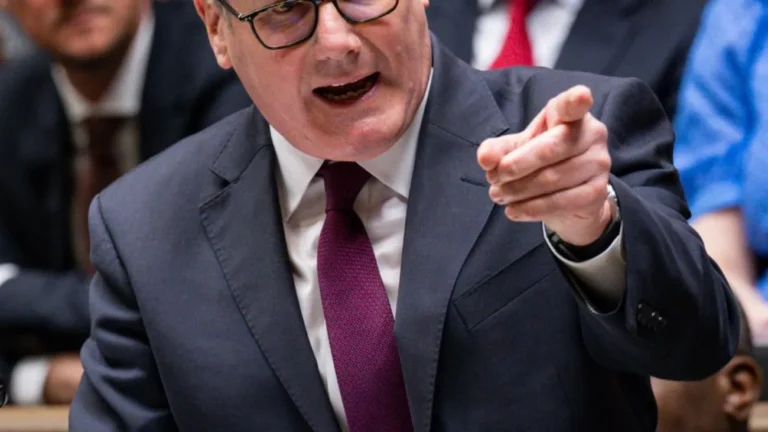
The attorney general and Keir Starmer have both weighed in, pressuring the opposition to clarify their standards. They questioned if the same objections would apply to Jewish or Christian ceremonies held in public. Best further claimed the event was misrepresented, noting that most attendees were there for the celebration rather than the prayer itself.