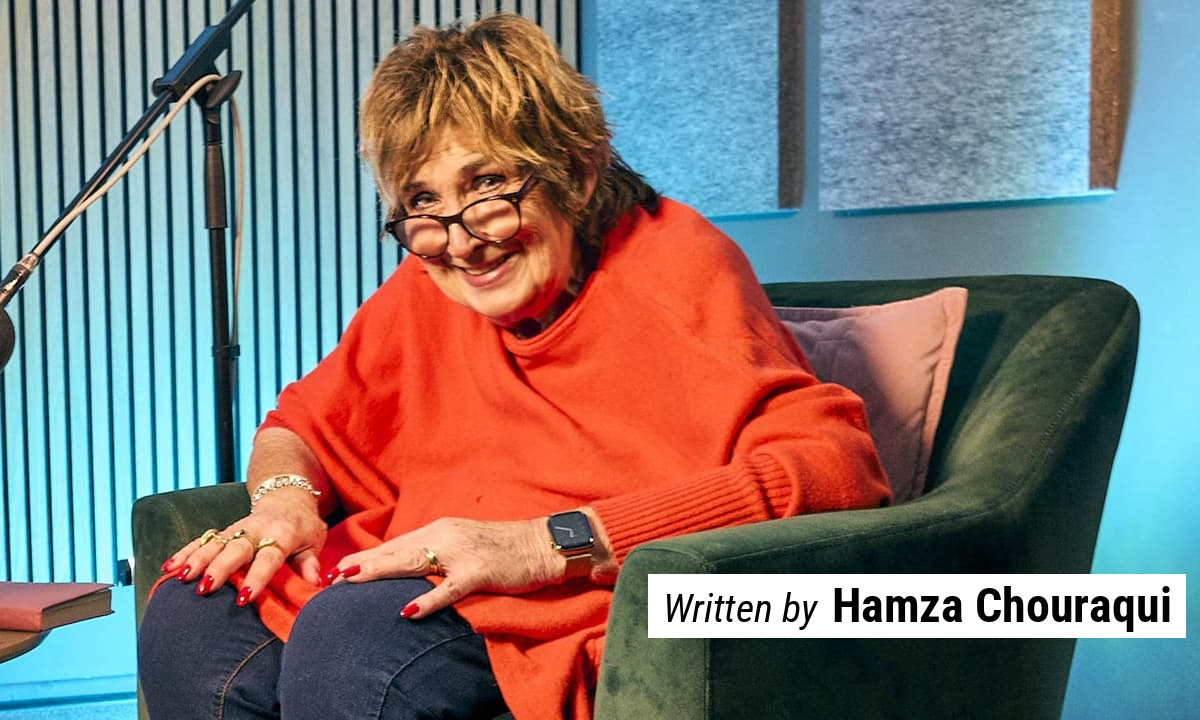
- The legendary broadcaster Jenni Murray has passed away at the age of 75.
- She transformed Womans Hour into a dynamic platform for serious journalism and personal topics.
- Murray was known for her unique interview style and commitment to bringing female perspectives.
The veteran broadcaster Jenni Murray has died at age 75, leaving behind a massive legacy in British media. Her career began at the BBC in Bristol during 1973, eventually 1eading to roles at South Today and the Today programme. Despite her strong news credentials, the rigid atmosphere of 1980s radio often restricted female presenters to softer topics.
When she transitioned to Woman’s Hour in 1987, Murray finally found a format she could truly influence. She reshaped the program to reflect her own versatility, shifting seamlessly between political interrogation and domestic subjects. She balanced personal openness with professional distance, ensuring the show remained focused on the listener rather than herself.
Although critics often praised her voice for being smooth and refined, her background was actually quite modest. She adopted the required broadcast tones of the era despite being the daughter of a civil servant and an engineer. This professional polish allowed her to navigate an industry that, at the time, frequently demanded specific phonetic standards for entry.
Her interview with Margaret Thatcher highlighted her unique ability to surprise even the most guarded public figures. By confronting the former Prime Minister with sexist remarks made by her peers, Murray elicited a rare moment of genuine shock. She managed to reveal a human side to political giants that few other journalists could successfully reach.
Similarly, her conversation with Hillary Clinton delved into deeply personal territory regarding Bill Clinton’s infidelities. Murray’s direct yet respectful approach prompted Clinton to provide unusually candid insights into the nature of her marriage. She rarely felt intimidated by her subjects, though she later admitted to feeling quite nervous when interviewing Bette Davis.
Murray was also dedicated to supporting new generations of activists and thinkers within the feminist movement. She frequently hosted emerging voices to discuss everything from economic representation to the realities of everyday sexism. She fostered a sense of female solidarity that bridged the gap between different eras of social campaigning and public discourse.
In 2006, her professional life and personal health intersected during a difficult battle with breast cancer. She chose to be transparent with her audience about her mastectomy because she valued the close bond they shared. Her career remained defined by this mutual respect, making her a constant and comforting presence in kitchens across the nation.