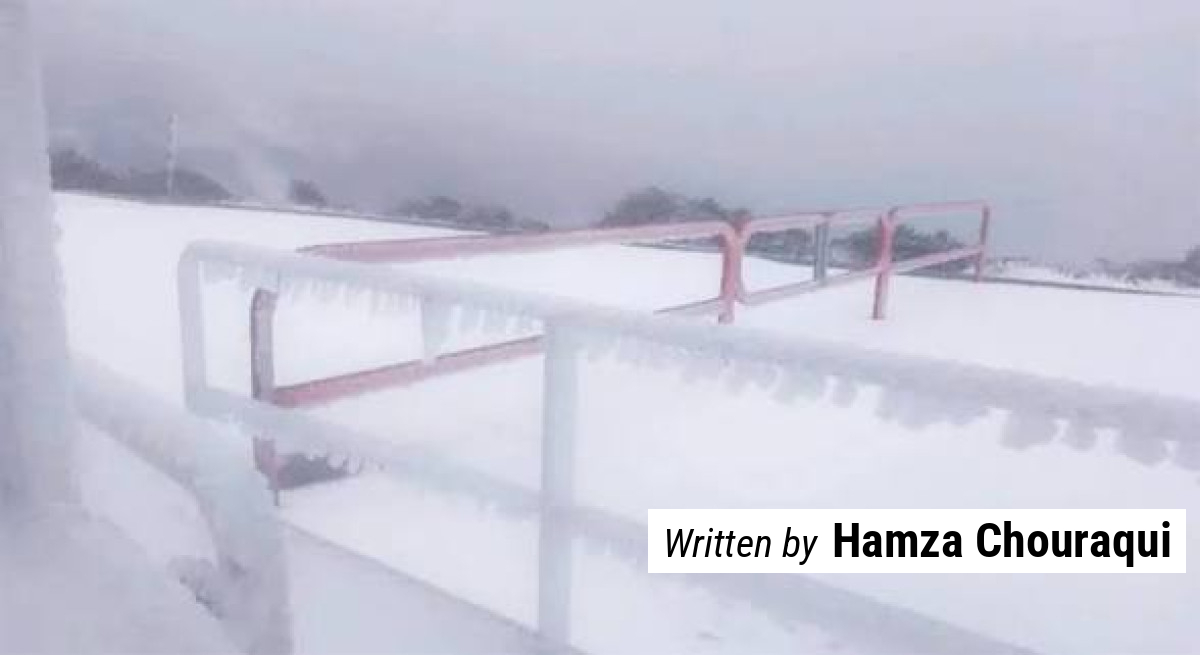
- Tenerife has declared an emergency as Storm Therese brings heavy snow and rain to the islands.
- Weather alerts remain active while flight cancellations and road closures disrupt travel across the region.
- Storm Therese marks a record-breaking nineteenth named storm for the south-west European meteorological group.
Severe weather conditions have prompted officials in Tenerife to trigger emergency protocols. Storm Therese is currently battering the Canary Islands with a combination of intense rain, high winds, and unexpected snowfall. Consequently, regional authorities have suspended outdoor activities and closed several major thoroughfares to ensure public safety during the peak of the storm.
The impact on travel has been immediate and widespread across the archipelago. Numerous flights have been grounded, and access roads leading to Teide National Park are currently blocked. The Spanish weather agency, AEMET, maintains orange alerts through Saturday, warning that northern Tenerife could face wind gusts reaching 100 km/h as the system moves through the area.
Heavy precipitation is a primary concern for the southern parts of the island. Forecasters suggest that up to 100mm of rain might fall within a single twelve-hour window. Such significant volume increases the risk of flash flooding and landslides, leading the Tenerife Island Council to advise residents and tourists to avoid all non-essential journeys today.
While known for sunshine, the island’s volcanic center is currently experiencing a wintry transformation. Significant snow has accumulated on the high ground surrounding Mount Teide. Standing at 3718 meters, it is the tallest peak in Spain, making these snowy conditions a regular occurrence during the winter and early spring months despite the tropical climate below.
Surrounding islands are also feeling the strength of the storm. La Palma and El Hierro are bracing for coastal waves up to 6 meters high. Meanwhile, Gran Canaria and La Gomera remain under active warnings for rain. Experts expect the most volatile weather to subside by Sunday, though scattered showers will likely persist into the following week.
The naming of this system highlights an unusually active season for south-west Europe. Therese is the nineteenth named storm since September, setting a new historical record for the region. If the current pace of storm formation continues before August, meteorologists may need to implement a secondary list of names to track subsequent atmospheric disturbances.