- The British government will no longer reduce benefits for survivors receiving Irish compensation payments.
- A new legislative measure known as Philomena’s Law ensures survivors retain their essential financial support.
- Approximately 13,000 survivors living in Britain were previously at risk of losing their welfare benefits.
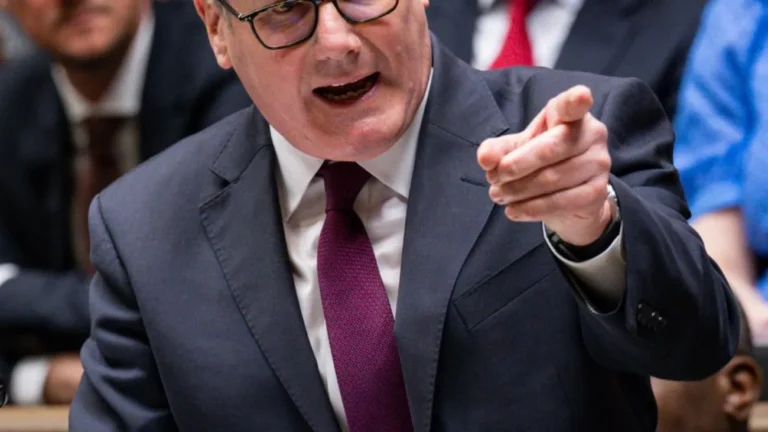
Downing Street has officially abandoned its strategy to reduce welfare payments for individuals who survived Ireland’s mother and baby homes. Under intense pressure from advocates, Keir Starmer chose to endorse Philomena’s law to protect survivors. This legislative change ensures that compensation from Dublin will not disqualify residents in Britain from receiving their standard local benefits.
An estimated 13,000 survivors currently residing in the United Kingdom faced the threat of losing means-tested support. The Irish redress scheme offers varying amounts between 5,000 and 125,000 euros based on residency duration. Without this new protection, these payments would have counted as personal savings, potentially triggering a total cessation of critical social credit and housing assistance.
The policy reversal follows a high-level summit between the British Prime Minister and Taoiseach Micheál Martin. Both governments released a shared statement acknowledging the lifelong trauma experienced by victims. They agreed that these specific redress payments must be disregarded by welfare agencies. This alignment ensures that survivors located in both nations receive equal treatment regarding their legal financial entitlements.
The name of the legislation honors Philomena Lee, whose personal tragedy was featured in a major film. Lee emphasized that while money cannot erase past agony, accountability and recognition are essential for healing. She argued that no victim should face financial penalties for accepting what they are owed. Her story remains a powerful symbol of the forced separations that occurred.
Labor MP Liam Conlon introduced the bill to address the stigma and shame long endured by these women and children. He described the victory as a way to offer survivors the dignity they were historically denied. High-profile figures, including actors Steve Coogan and Siobhán McSweeney, joined the campaign to ensure the government corrected this systemic financial unfairness.
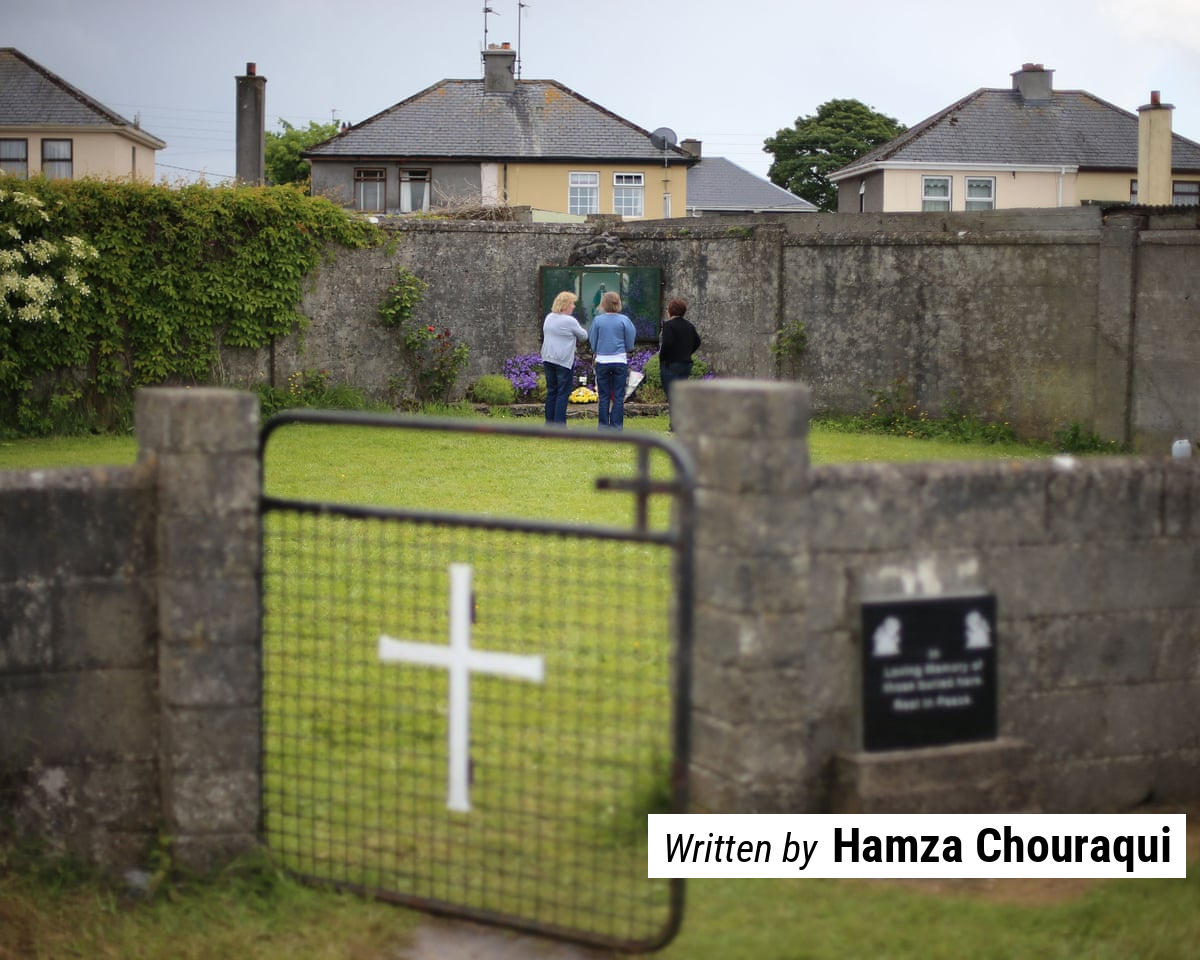
The underlying redress scheme addresses the history of 56,000 women and 57,000 children in institutions run mostly by nuns. A 2021 investigation highlighted decades of neglect and cruelty within these homes between 1922 and 1998. Although payments began in 2024, the fear of losing British pension credits or social care funding initially deterred many eligible individuals from applying.
Community leaders noted that the previous uncertainty caused significant anxiety among elderly and vulnerable survivors. With the law now in place, specialist organizations can provide clearer guidance to those they support. This decision provides necessary security for those who suffered under the institutional system, safeguarding their interests against further bureaucratic hardship or financial loss.