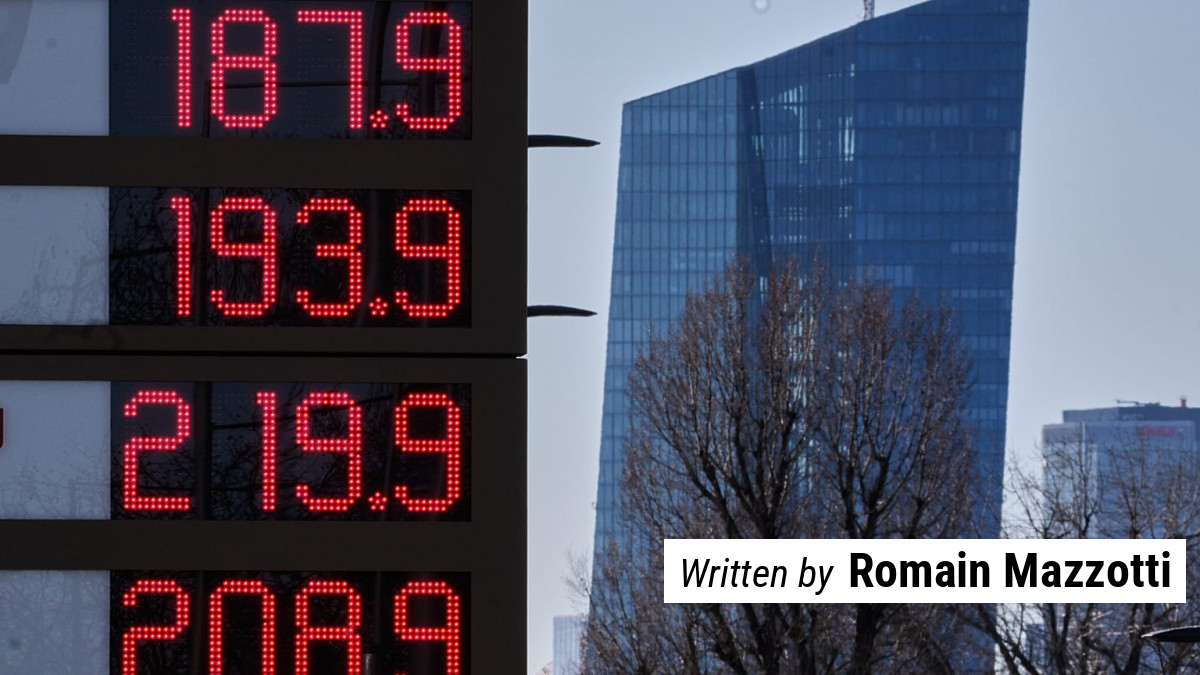
- Great Britain currently holds only two days of gas reserves amid escalating Middle Eastern conflicts.
- Diverted tankers and halted production in Qatar have caused domestic energy prices to surge significantly.
- National Gas officials emphasize that the country relies on diverse supply sources beyond simple storage.
The ongoing conflict in Iran has triggered a substantial decline in energy reserves across Great Britain. Current data shows the nation holds only 6,999 gigawatt hours of fossil gas in storage. This figure is significantly lower than the 9,105 gigawatt hours recorded during the same period last year. These levels represent less than two days of backup supply.
Global supply chains are shifting as tankers redirect their cargo from Europe toward Asian markets. At least five liquefied natural gas vessels have changed course recently to capture higher prices in the East. This movement comes after intense airstrikes and the closure of the Strait of Hormuz, which disrupted 20 percent of global seaborne gas shipments.
Market volatility has pushed fuel costs to soaring heights since the war began over a week ago. In the United Kingdom, month-ahead gas prices jumped to 137p per therm from an original 78.5p. These spikes followed a drone attack on a major Qatari facility, which forced the world’s largest production plant to halt its essential operations.
Government officials maintain that national energy security remains stable despite the low storage levels. A spokesperson clarified that Great Britain does not rely solely on stored gas for its heating and power needs. The country benefits from a resilient mix of imports from Norway, domestic North Sea production, and various international subsea interconnectors.
Read also: Football : Hull could face a points deduction while competing in the Premier LeagueIndustry leaders argue that systemic changes create new risks for the future of the British energy infrastructure. Declining production in the North Sea and a heavier reliance on foreign imports are forcing a rethink of current strategy. National Gas is now proposing new policies, including the introduction of floating storage units to enhance long-term flexibility.
While European neighbors often hold several weeks of reserves, Britain utilizes more flexible systems to manage demand. Recent mild temperatures have allowed for increased gas injections into storage since 21 February. Experts note that these levels fluctuate based on market forces rather than government mandates, reflecting the seasonal nature of energy consumption patterns.