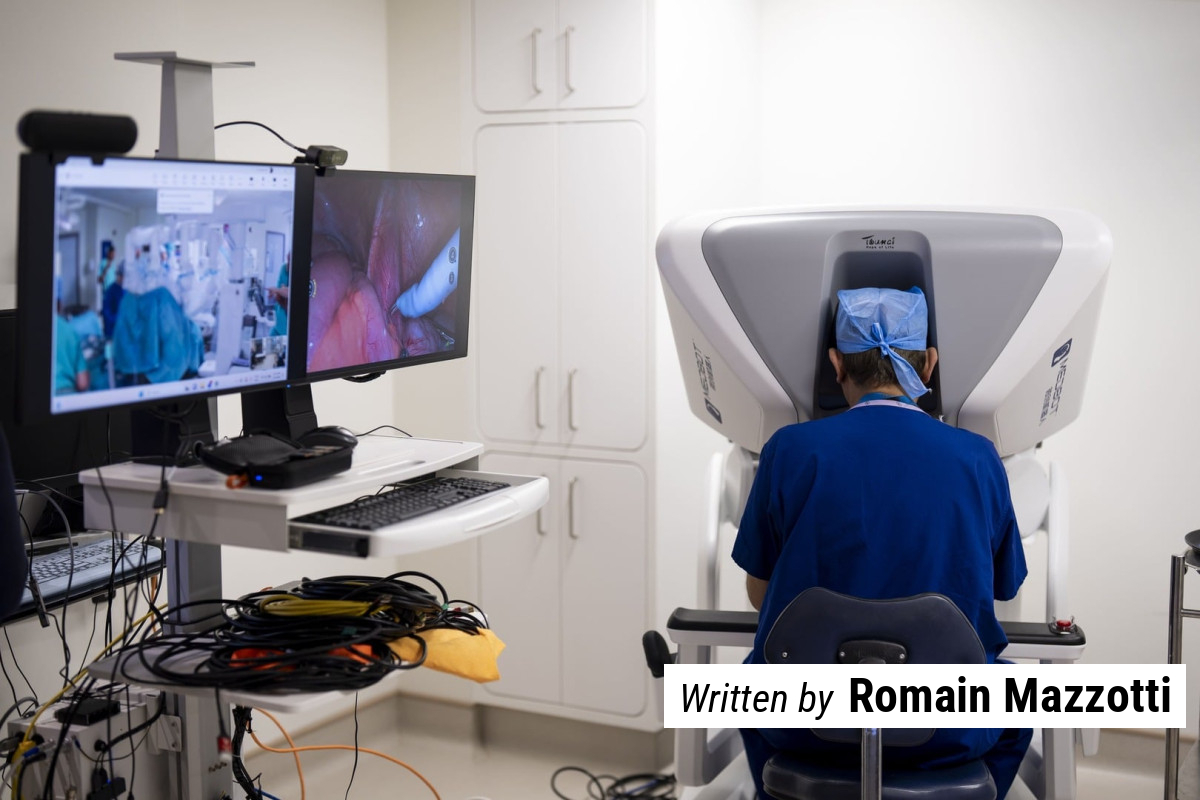
- A London surgeon successfully performed a remote prostatectomy on a patient located in Gibraltar.
- The procedure utilized a four-armed robot and high-speed data lines to bridge 2,400 kilometers.
- Remote surgery allows patients to receive expert care without traveling long distances for complex operations.
A ground-breaking medical procedure recently showcased the power of specialized technology as a surgeon in London operated on a patient in Gibraltar. Professor Prokar Dasgupta managed the surgery from 1,500 miles away. He used a advanced console to direct a robot at St Bernard’s Hospital. This successful operation saved the life of a 62-year-old man suffering from prostate cancer.
The surgery relied on the Toumai Robotic System, which features four arms and 3D cameras. To ensure precision, the connection between the London console and the robot utilized high-speed fiber optics. This setup resulted in a minimal lag of only 0.06 seconds. Such a tiny delay of 60 milliseconds allowed the surgeon to maintain seamless control during the complex prostatectomy.
Paul Buxton, the patient, viewed the opportunity as a simple decision. Without this remote option, he would have faced a long NHS wait and three weeks of travel to London. By staying in Gibraltar, he avoided the significant inconvenience and expense of going abroad. He described the chance to participate in this medical milestone as a genuine privilege.
Safety was a primary concern during the delicate procedure. While Dasgupta controlled the machine from the London Clinic, a local surgical team remained ready at the bedside. They were prepared to intervene if the primary connection failed. A 5G network backup was also in place to prevent any interruptions during the intricate movements of the robotic arms.
Read also: Football : Hull could face a points deduction while competing in the Premier LeagueThis achievement highlights a significant humanitarian benefit for healthcare in remote areas. Residents of British overseas territories often have to travel to major cities like Madrid or London for serious surgeries. Remote robotics could soon bring world-class surgical expertise to patients regardless of their physical location. This shift promises to improve access to life-saving medical care globally.
Following the successful outcome, the medical community is preparing to observe this technology in action again. Another remote surgery is scheduled for 14 March. Approximately 20,000 surgeons will watch a live stream of the procedure during a major urology congress. This demonstrates the growing acceptance of telesurgery as a viable solution for modern healthcare challenges.