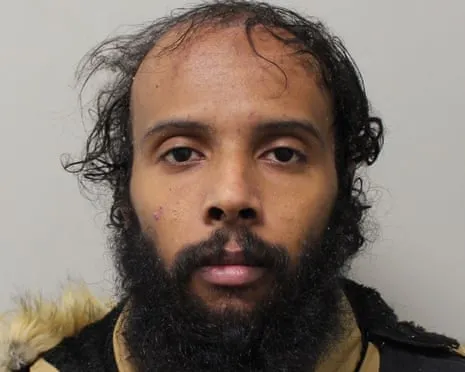
- Suspect conducted extensive online searches about the Malkinson case before police investigation.
- Paul Quinn arrested in December 2022 after DNA linked him to the 2003 attack.
- Internet activity dramatically increased when new suspect became public knowledge.
A man accused of a violent 2003 assault that resulted in another person’s wrongful conviction for 17 years conducted an “exponential” rise in online searches about the case once investigators named him as a suspect, Manchester Crown Court heard. Paul Quinn, 51, allegedly evaded justice for nearly two decades before DNA evidence connected him to the crime. The prosecution presented evidence showing a dramatic shift in his internet behavior coinciding with public disclosure of the investigation.
The attack left the victim with severe injuries, including a bite that partly severed her nipple. Andrew Malkinson was wrongfully convicted and imprisoned, representing what jurors were told was one of Britain’s worst miscarriages of justice. Quinn faces two counts of rape, attempted strangulation, and assault causing grievous bodily harm, which he denies. DNA analysis from saliva on the victim’s clothing led to his arrest in December 2022.
Prosecutor John Price KC told the court that Quinn exhibited early interest in the Malkinson case years before it became prominent. In September 2019, Quinn searched for the original 2004 trial information, followed minutes later by queries about wrongly convicted cases. He accessed articles about Malkinson three years before becoming a suspect, with October 2021 searches including the crime scene location on Google Maps. These searches occurred among generally infrequent visits to news websites.
When the Guardian publicly revealed a new suspect in July 2022, Quinn’s internet habits transformed markedly. He visited Manchester Evening News 249 times in three months and conducted over 200 additional news searches. His searches included questions about DNA database retention periods and repeated queries about unexplained sweating. This intense activity preceded his arrest when he first learned his DNA matched evidence from the victim’s clothing.
Read also: Football : Hull could face a points deduction while competing in the Premier LeagueFollowing his arrest, Quinn claimed he had simply read about the case in 2003 and forgotten about it. In police interviews, he denied the rape and suggested his DNA presence resulted from numerous casual encounters with women in the area. The prosecutor challenged this narrative, questioning whether Quinn’s extensive prior research indicated anticipatory preparation for police investigation.
Malkinson’s case underwent three appeal referrals across 17 years before his conviction was overturned in July 2023. He had been released from prison in late 2020. The trial against Quinn continues as evidence of his online activity remains central to the prosecution’s case.