- Investors are focusing on “Halo” companies with physical assets resistant to AI disruption.
- UK and EU markets reached record levels as capital-intensive businesses outperform technology stocks.
- Energy, infrastructure, and utilities represent key examples of AI-resistant investment opportunities.
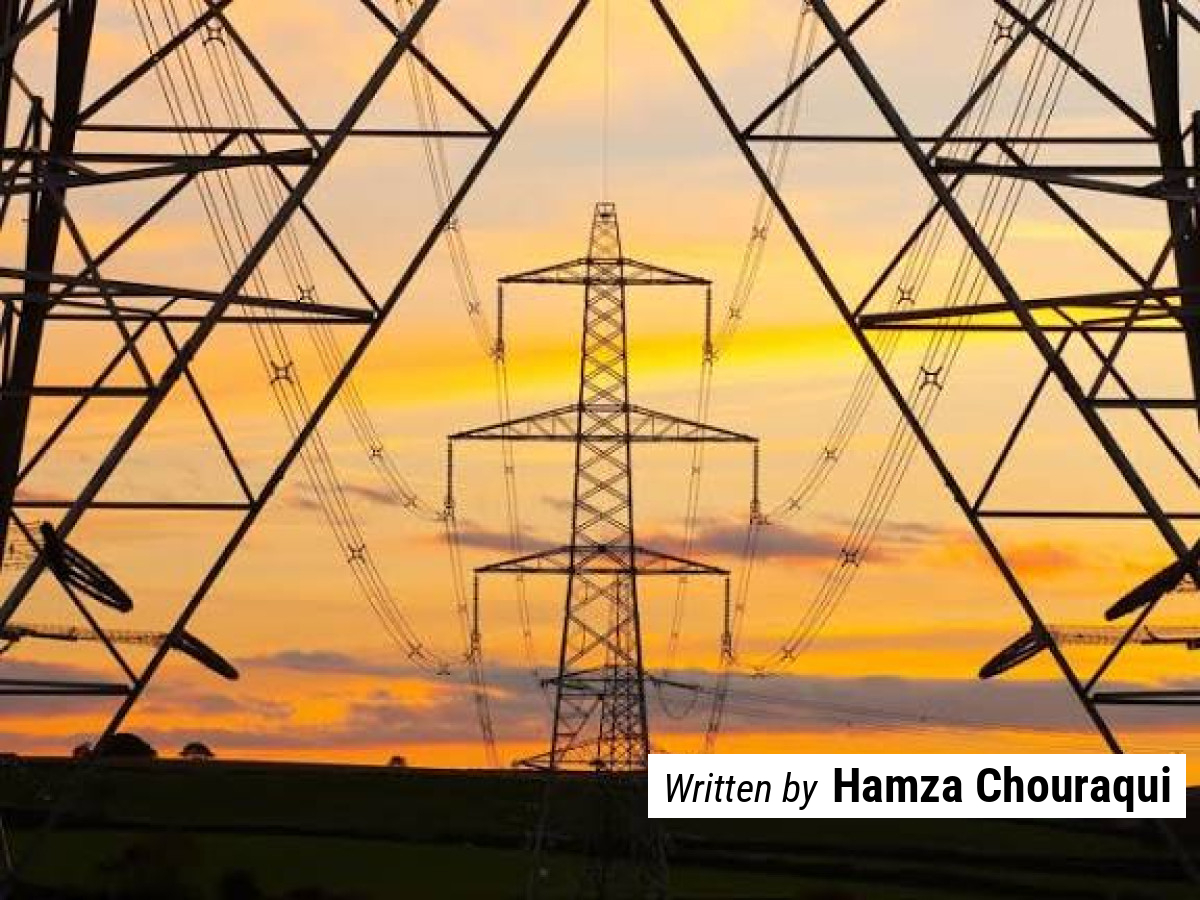
A fresh investment strategy has emerged as market participants brace for artificial intelligence to reshape economic landscapes worldwide. Dubbed the Halo trade, meaning “heavy assets, low obsolescence,” this approach targets enterprises with tangible, durable assets potentially shielded from AI-driven disruption. Energy providers, transport networks, and infrastructure operators exemplify the kinds of businesses attracting capital through this lens.
Stock exchanges in the United Kingdom and European Union surged to unprecedented heights by late February, driven substantially by Halo investments. Meanwhile, American technology giants experienced volatility, creating divergent market trajectories. Goldman Sachs data reveals capital-intensive companies surpassed capital-light peers by 35% since 2025, establishing physical assets as decisive valuation factors in contemporary markets.
Financial institutions define Halo enterprises as organizations combining substantial infrastructure with enduring economic utility. These include electrical grids, pipeline networks, utilities, transport systems, and industrial equipment. Regulatory protections, construction timelines, and engineering obstacles create genuine barriers against easy replication of these assets, strengthening their competitive positioning against technological disruption.
Valuation metrics have fundamentally shifted across European financial systems. Capital-intensive firms now command stronger price-to-earnings ratios than their capital-light counterparts, reversing prolonged underinvestment patterns. Water treatment facilities, waste management operations, and regulated electricity networks exemplify dependable enterprises that deliver consistent value regardless of technological advancement or market enthusiasm fluctuations.
The FTSE 100 index achieved consecutive record levels throughout 2026, with February representing its strongest performance since November 2022. This eight-month consecutive gain reflects investor confidence in established economy sectors. Oil tanker operator Frontline climbed 57% year-to-date, while Norway’s Kongsberg Gruppen advanced 46%, demonstrating robust performance in shipping and technology-enabled infrastructure sectors.
Market rotation patterns intensified as capital departed expensive artificial intelligence and growth-oriented equities. Investors increasingly prioritize tangible infrastructure and resilient assets over speculative technology exposure. The pan-European Stoxx 600 reached record territory through comparable sector reallocation, driven by diminishing interest in American technology investments. Software and data companies faced mounting pressure as AI applications threatened traditional revenue streams and market valuations.