- Keir Starmer is stepping down as prime minister after two years.
- Net migration fell while NHS waiting lists saw a decrease.
- Renewable energy surged despite housing and justice sector struggles.
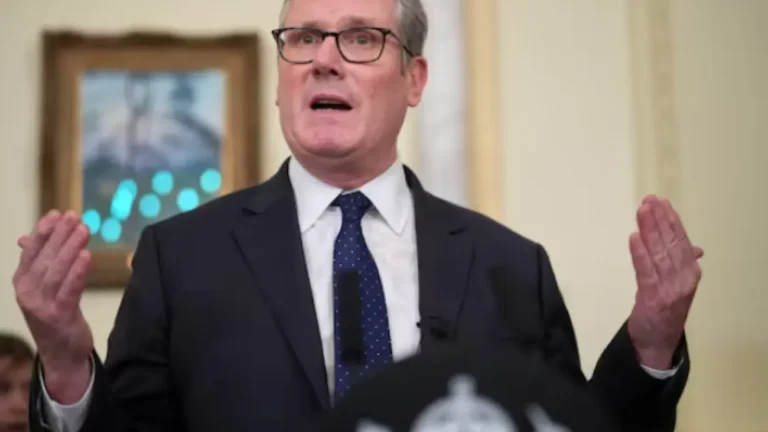
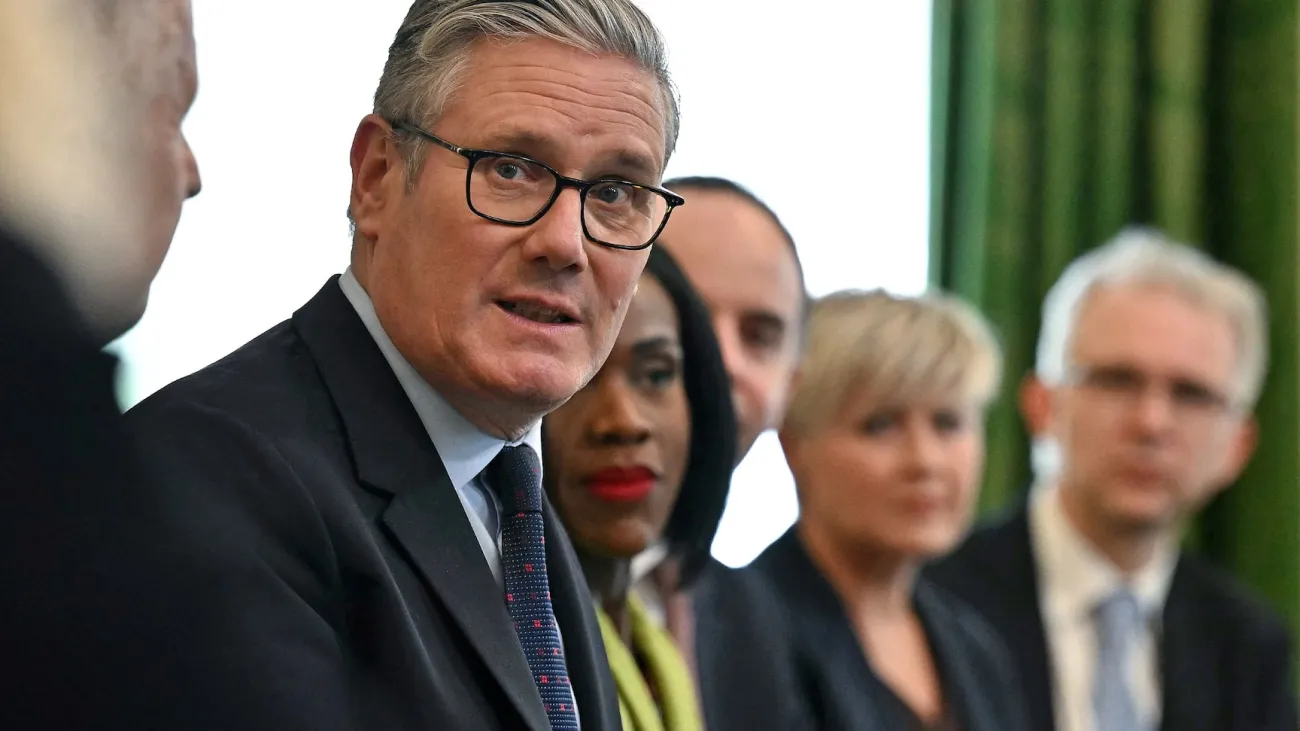
Keir Starmer is exiting the premiership after a brief two year stint. His tenure was marred by the Peter Mandelson appointment as US ambassador, given the man’s links to Jeffrey Epstein. This drama consumed much political bandwidth, contrasting with a stated goal to end previous sleaze.
In a May address, Starmer admitted that stories beat spreadsheets when making political arguments. He later resigned in good grace, citing deliveries made. This followed a period where he struggled to explain the why behind his government’s specific actions and policy shifts.
Net migration declined through stricter visa rules
Net migration figures have dropped, mostly because of fewer health and care visas. Humanitarian schemes for Ukraine and Afghanistan also closed. Immigration remains a dominant voter concern especially for those over 55 and Reform UK supporters, despite the falling numbers.
The government implemented a one in, one out deal with France for small boats. Stricter English requirements and student visa limits were also introduced. Small boat arrivals in 2026 were lower yet 86% of people report tension between immigrants and UK born citizens.
The Migration Observatory suggests negative net migration might occur in 2027. Such a shift is expected to hurt the economy. These policies were designed to tighten borders, but the social friction has actually increased since 2023 before Labour took power.
NHS data indicates that elective waiting lists fell to 7.2 million by April 2026. The target of treating 65% of patients within 18 weeks was just met at 65.3%. Cancer diagnosis times are also ahead of government targets, showing some progress.
However, social care funding remains in limbo. Wes Streeting deferred major decisions to a commission led by Louise Casey which won’t report until 2028. GP progress is spotty; salaried staff numbers rose while the count of partners continued to fall.
Justice issues persist as the court backlog grew by 10% since the election. Prisoners were released in two large waves to manage capacity, including a record weekly release of 2,188 people in September 2024 under an early release scheme.
Renewable energy capacity tripled under current policy
The government aims for 95% clean power by 2030. Ed Miliband ended the de facto ban on onshore wind in England to speed things up. Renewables provided over half of electricity for the first time this year, even during winter.
Solar installations passed 2m in March, with most on rooftops. There are currently 3,000 green energy projects capable of 52 gigawatts. Planning rules were simplified to clear the grid connection queue and fast track new site approvals.
Housing targets face a grim reality due to soaring costs. Brick prices jumped 80% in a decade. Only 300,000 homes were added in 18 months, while planning applications are only half of what is needed for the 2030 goal.