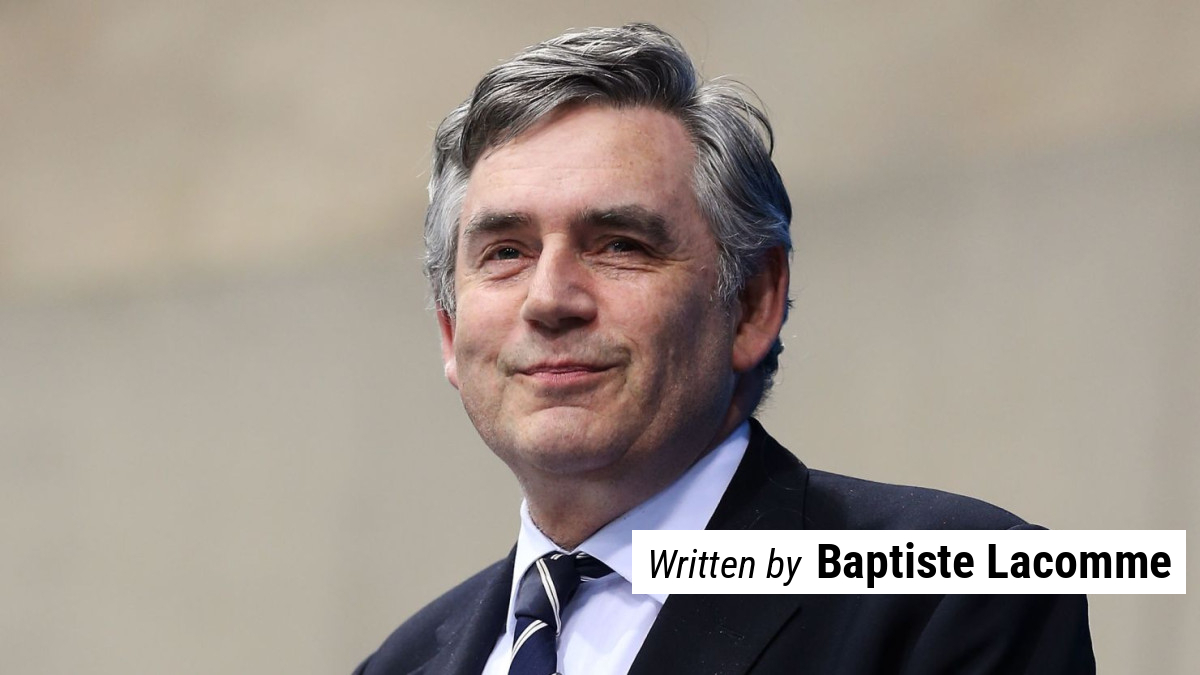
Gordon Brown circulated his draft commentary on the Jeffrey Epstein scandal to trusted advisers before submitting it to the Guardian. He questioned whether his language had been sufficiently forceful in condemning what he described as deeply troubling revelations. His colleagues assured him that the strongest possible terms were entirely justified given the gravity of the situation.
Brown’s statement expressed profound revulsion at Epstein’s impact on British politics. He was particularly concerned about allegations involving Peter Mandelson, his former deputy, allegedly transferring market-sensitive documents to the disgraced financier during the financial crisis. Brown called this a betrayal of national values if true. Mandelson was arrested on suspicion of misconduct in public office and denies wrongdoing.
When initial Epstein emails emerged in September, Brown contacted the cabinet secretary requesting correspondence between Mandelson and Epstein. Officials reported finding nothing relevant. Undeterred, Brown conducted extensive independent research into the files. In a subsequent article, he reported discovering information about British girls aboard Epstein’s aircraft and the use of UK airports for transporting victims. Brown’s investigative work drew comparisons to fictional detective Jim Taggart.
Brown compiled a five-page memorandum of evidence and submitted it to six police forces covering relevant airports. He suggested authorities should question Prince Andrew about his potential knowledge. The prince was arrested on his 66th birthday on suspicion of misconduct in public office and also denies involvement. Journalist Clare Rewcastle, married to Brown’s brother, assisted his research efforts.
Sources close to Brown suggest his motivation combines genuine moral outrage with complicated personal feelings. He brought Mandelson into his government during the financial crisis, a decision some close advisers had warned against. Brown characteristically channels anger into sustained activism and investigation. Colleagues describe him as profoundly moral, uncomfortable with holidays, and inclined toward causes rather than leisure. His post-premiership record includes campaigns on phone hacking, benefit caps, and palliative care standards. Brown currently plans to release a book on global politics and promote new VAT relief benefiting charities.