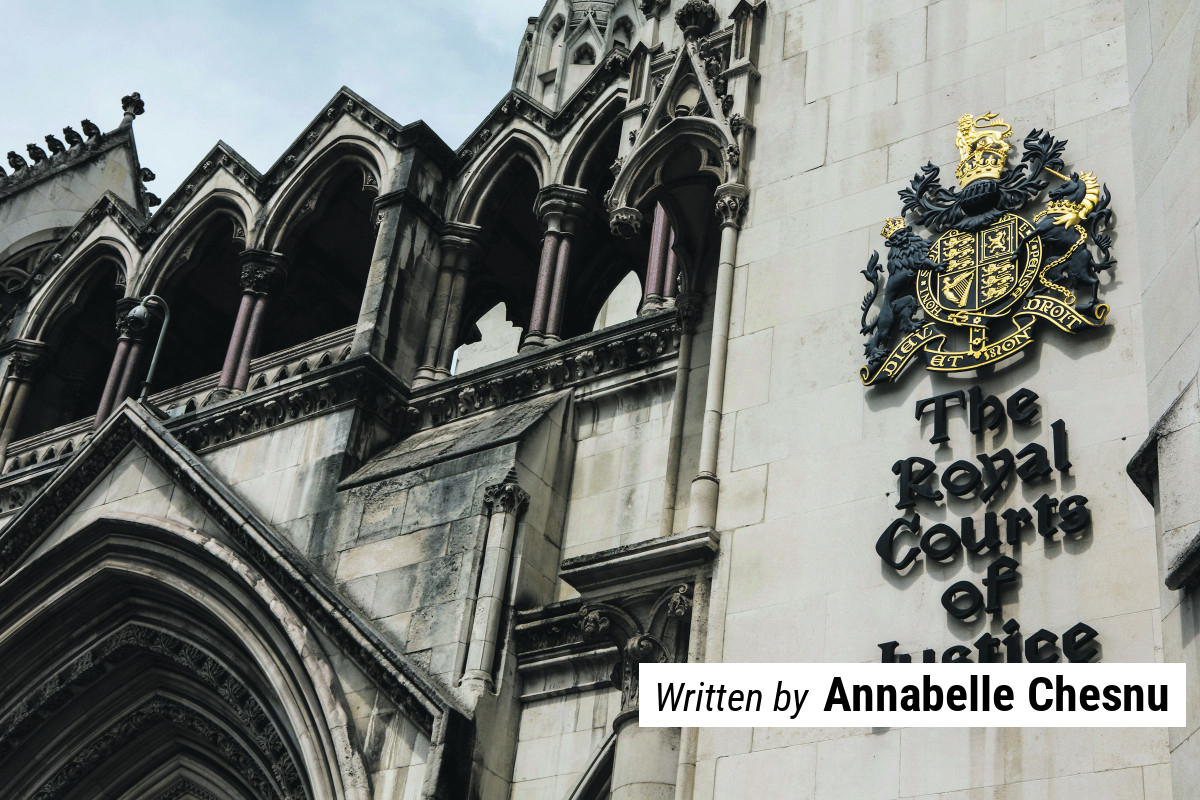
The government has decided to remove restrictions on how many days crown courts can operate, marking a significant shift in judicial policy. David Lammy, justice secretary and deputy prime minister, announced unlimited court sitting days for the upcoming financial year across all crown courts in England and Wales. This decision represents a direct response to the mounting crisis of unresolved cases within the criminal justice system.
Previously, the number of days courts could sit was capped as a budgetary measure and to address staffing constraints. The Ministry of Justice had planned to increase sitting days to 111,250, but the new policy eliminates these numerical limits entirely. This change now allows the projected figure to rise to 113,000 days, enabling courts to operate at their full capacity when needed.
Financial support has been substantially increased to enable this expansion. The government and judiciary agreed a £2.8bn settlement for courts and tribunals in the 2026/27 period, representing a notable increase from the previous year’s £2.5bn allocation. Additionally, £287m has been earmarked specifically for capital investments to repair deteriorating court infrastructure and facilities across the country.
Criminal barristers responded positively to this announcement. Leaders of the Criminal Bar Association called the cap removal “a brave and significant first step”, emphasizing that this single measure represents the most impactful action the government can take. They noted that all participants in the criminal justice system, including complainants, witnesses, and defendants, would benefit from reduced delays caused by the massive backlog of at least 80,000 cases.
However, some organizations expressed cautionary views about the adequacy of these measures. The Law Society acknowledged the improvements but questioned whether they sufficiently address the backlog crisis or resolve infrastructure problems. Justice campaigners warned against using this announcement to justify eliminating jury trials, arguing that restricting this fundamental right would damage public confidence and potentially increase miscarriages of justice, particularly affecting marginalized communities.
Further reform announcements are anticipated, focusing on operational improvements outlined in Sir Brian Leveson’s review. Proposed changes include expanded use of remote hearings and other efficiency measures. Lammy emphasized that financial investment alone cannot resolve the justice system’s challenges, stressing that funding must be paired with practical reforms and modernization efforts to achieve timely justice delivery.