The UK’s public art collection spans remarkable diversity, from a Rodin bronze sculpture positioned outside a Nando’s in Harlow to thousands of Turner paintings, alongside unconventional pieces like a crumpled paper artwork housed at Manchester Art Gallery. This extensive range demonstrates how public artworks exist across numerous settings and styles throughout the nation.
Art UK, a charitable organization, announced reaching one million artworks in its digital database while celebrating its tenth anniversary. The milestone reflects the organization’s growing impact in making Britain’s artistic heritage accessible. A new leadership appointment signals ambitious future plans for the institution as it continues expanding its scope and influence.
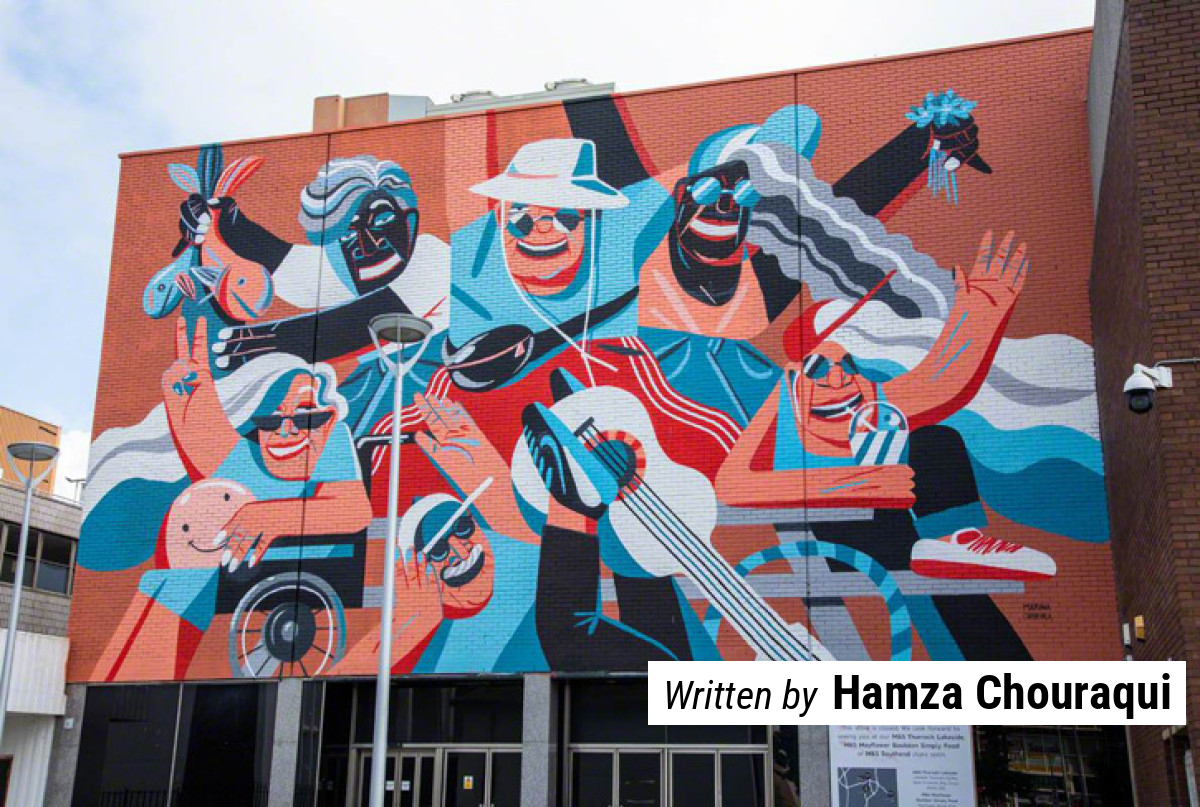
The organization began with cataloguing paintings but has evolved substantially over its decade of operation. Its scope now encompasses drawings, watercolours, ceramics, sculptures, and architectural works alongside street murals and stained glass. This broadened mandate reflects recognition that public art extends far beyond traditional fine art institutions.
The database functions as an interactive resource enabling unexpected discoveries. Searching “mosquito” yields fifty-three results including technical insect drawings, military aircraft paintings from World War II, and sculptures honoring the Women’s Timber Corps who supplied wood for aircraft production. Similarly, exploring artist Martin Creed reveals twenty-four works, including his famous Manchester piece, an artwork challenging conventional definitions of artistic merit.
Ben Terrett, formerly leading design initiatives for the UK government, assumed the chair position. He emphasizes that awareness of this resource remains surprisingly limited among the general population. Beyond famous institutions like Tate, countless hospitals, council buildings, and public spaces contain remarkable artworks that remain largely unknown or inaccessible to visitors.
Many pieces remain perpetually hidden in storage, never viewed by the public. Terrett’s personal background shaped his commitment to expanding artistic access. Growing up in a small Wiltshire village without museums or galleries, accessing cultural resources required substantial personal effort. He attended a comprehensive school with exceptional arts education, where an inspiring teacher facilitated his artistic development.
Terrett views contemporary creative education in state schools as severely diminished. Evidence suggests the database actually encourages subsequent in-person gallery visits, amplifying rather than replacing physical museum experiences. Recent additions include works by Henri Matisse, Gwen John, Mary Hagarty, and David Foggie across various UK institutions.
Art UK’s board expressed confidence that Terrett’s expertise will help the organization attract new audiences, leverage emerging technologies, strengthen financial sustainability, and expand international recognition. Terrett remains optimistic about internet technology’s positive potential. He views Art UK as exemplifying how digital platforms genuinely benefit society and culture.