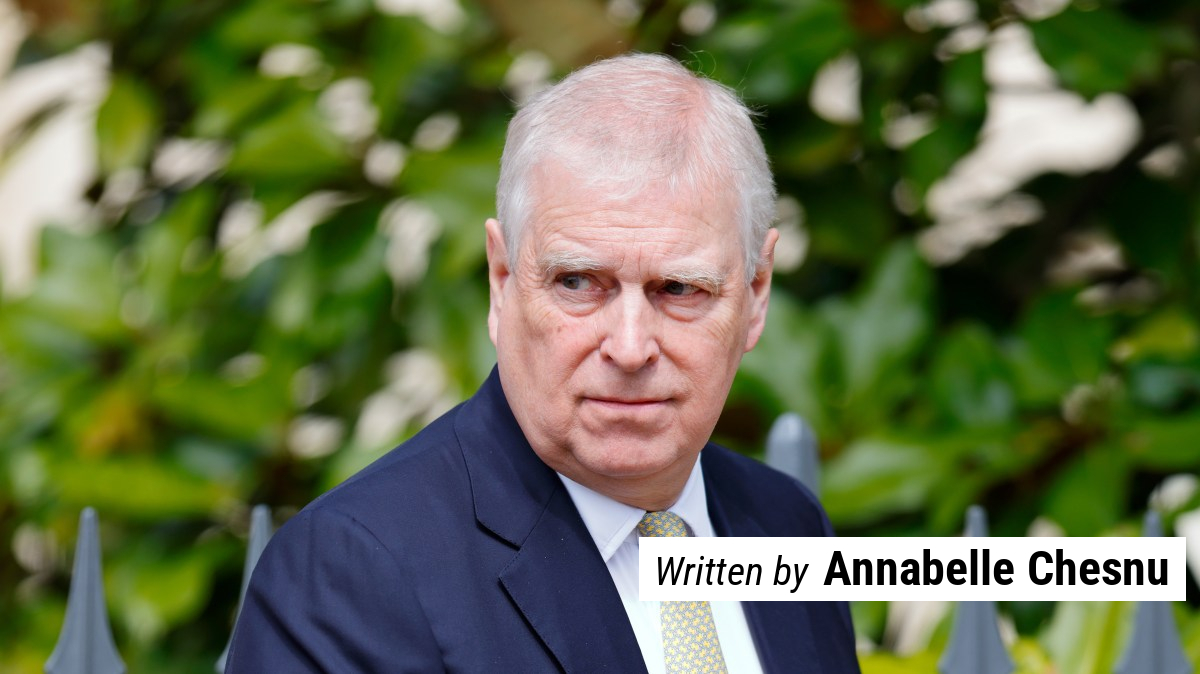
During his tenure as the UK’s trade envoy, Andrew Mountbatten-Windsor allegedly charged taxpayers for massage services and excessive travel costs, according to reports from former civil servants who worked alongside him.
Multiple former government officials expressed shock at the expense claims and attributed their approval to a pervasive culture of deference within Whitehall toward the former prince. One retired civil servant from the trade department recalled objecting to a massage service claim following a Middle East visit but being overruled by superiors despite his resistance.
The alleged expenses extended beyond massages to include unreasonable flight bookings, excessive hotel room charges, and costs for his entourage members. A finance overseer confirmed seeing similar patterns across multiple trips and expressed certainty about the authenticity of these claims. Sources described feeling astonished at how freely money was being spent, as though it held no real value.
Spending oversight operated as “rubber stamp” approval rather than genuine scrutiny, the sources indicated. Expenses were dispersed across different departmental budgets, making them difficult to track. Uncertainty also existed regarding who actually comprised Mountbatten-Windsor’s traveling party on various occasions.
Beyond financial concerns, a third source characterized Mountbatten-Windsor as an ineffective trade envoy whose diplomatic visits sometimes damaged rather than improved international relations. The former official noted he frequently departed from prepared remarks, overestimated his expertise, and made inappropriate remarks that offended local contacts.
Mountbatten-Windsor served in this position from 2001 through 2011. The Department for Business and Trade declined to address the allegations directly, instead referencing a recent police statement indicating ongoing assessment of information with no additional comments available at present.
Following police detention exceeding ten hours, Mountbatten-Windsor was released pending investigation. No evidence suggests the described conduct constitutes unlawful activity. His legal representatives have refrained from providing public comment on the matter.