A high court ruling determined that banning Palestine Action under anti-terrorism laws was unlawful and disproportionate. Three senior judges found the proscription of the direct action group, which targets organisations it deems complicit in arming Israel, violated fundamental rights. The decision represents a significant legal setback for the government’s approach to regulating protest movements through terrorism legislation.
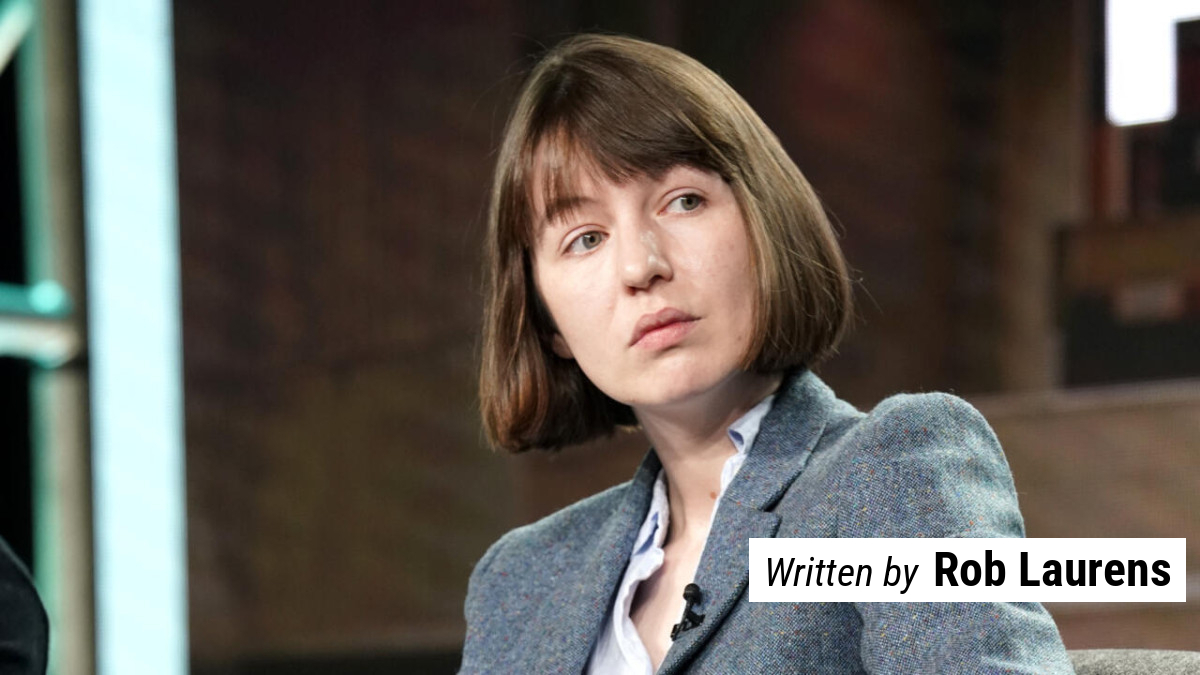
Author Sally Rooney provided two witness statements supporting the case brought by Palestine Action co-founder Huda Ammori. Her testimony was cited as evidence demonstrating the ban’s detrimental effects on freedom of expression. Rooney had previously cancelled a UK trip in September to receive an award, fearing potential arrest under the proscription order.
Rooney characterised the judgment as a victory for civil liberties beyond just the Palestine solidarity movement. She emphasized that applying terrorism legislation to a political protest group represents an extreme violation of ordinary freedoms. The core legal issue, she argued, was whether ordinary debate about Palestine Action’s activities should itself become criminal, not whether those activities themselves were justified.
The author highlighted that terrorism legislation was designed for armed groups posing genuine public threats, not protest organisations. The Terrorism Act’s primary function involves criminalizing otherwise lawful speech, association, and financial activity. Using such powers against a group presenting no actual threat to public safety represents unprecedented overreach, Rooney contended, now confirmed as unlawful by the courts.
The judges rejected characterizations of Palestine Action as non-violent, describing the organisation as promoting its political cause through criminality and encouraging criminal acts. However, they found the proscription itself disproportionate. The judges disagreed fundamentally with Rooney’s philosophical distinction between property damage and violence, unable to accept that such damage does not constitute violence regardless of extent.
Rooney disagreed with the judges’ interpretation of violence, arguing that the term implies harm to living beings, not inanimate objects. She positioned property damage within the established tradition of civil disobedience employed by historical movements from suffragettes to environmental activists. The judges’ suggestion that civil disobedience requires restraint struck her as historically unfounded and contradicted by documented protest history.
Home Secretary Shabana Mahmood expressed disappointment at the outcome while citing the judges’ findings about Palestine Action’s methods. She insisted the proscription followed rigorous, evidence-based procedures endorsed by parliament. The government intends to appeal the decision to protect national security and public safety, she stated, despite the judiciary’s authoritative findings.
In her witness statement, Rooney warned that the ban’s continuation would likely force her withdrawal from UK publishing. She described such an outcome as an extreme state intrusion into artistic expression and freedom. Though the proscription technically remains in effect pending appeal arguments, Rooney expressed confidence the order will ultimately be quashed, allowing her work to remain accessible to British readers.