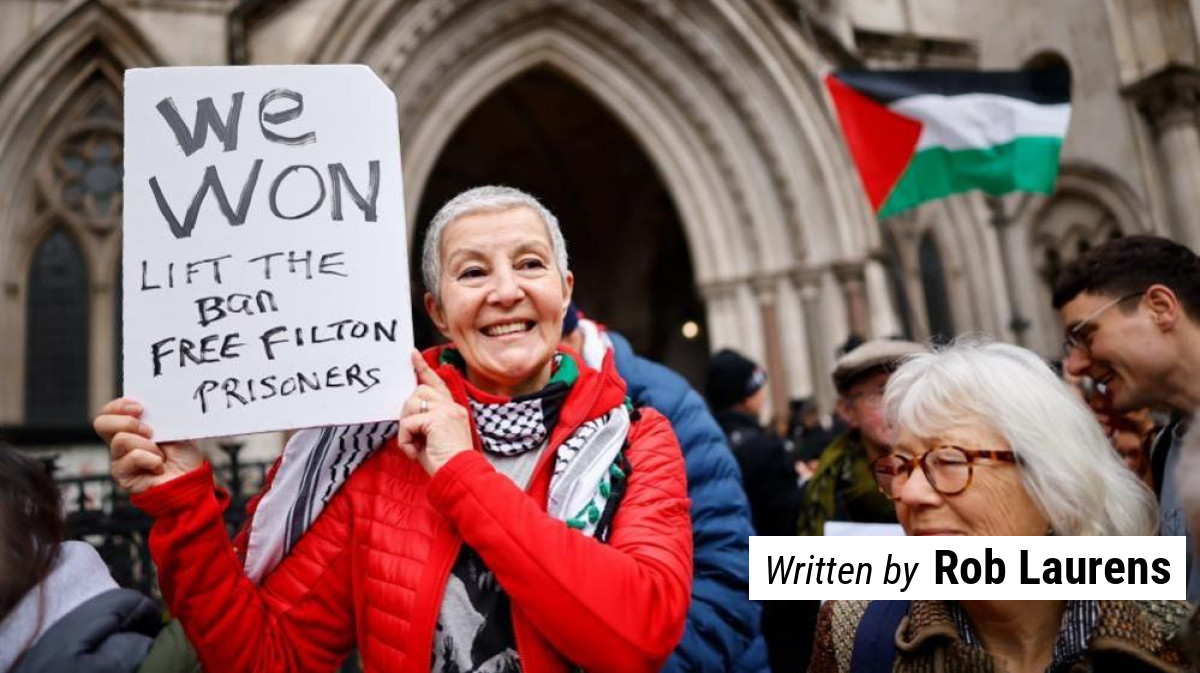
Supporters of Palestine Action who were arrested after the group’s proscription have expressed relief following a high court decision overturning the ban. Nevertheless, considerable doubt persists about whether prosecutions under terrorism legislation may proceed, as the government announced its intention to challenge Friday’s ruling delivered by three senior judges.
Chris Romberg, a retired military officer who had not yet entered a plea following his arrest in August, stated he felt “pleased and satisfied” the ban was unlawful. Since the proscription began last July, authorities have detained at least 2,787 individuals across the country for displaying placards supporting the organisation, according to civil liberties advocates.
Dame Victoria Sharp, overseeing the king’s bench division, determined two specific violations underpinned the proscription’s illegality: infringement of human rights protections and the government’s failure to comply with its own policy framework regarding genuine security threats. Although the court rejected the ban in principle, Sharp deferred issuing a formal removal order pending both parties’ submissions during the appeal proceedings.
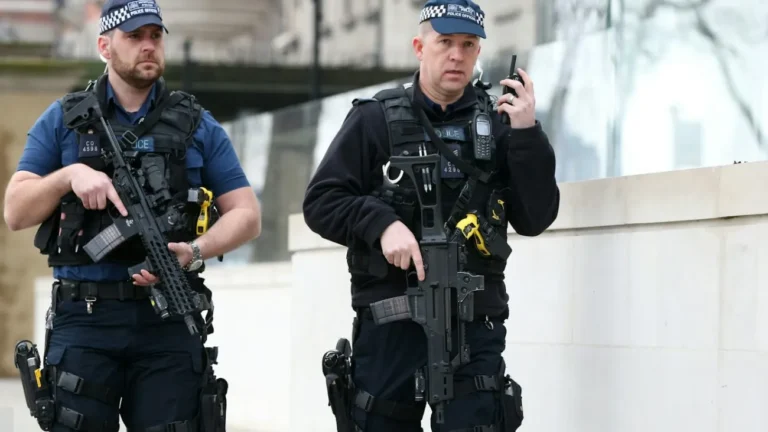
Police declared they would halt arresting individuals for expressing Palestine Action support, yet would maintain evidence gathering at demonstrations. Arrested individuals face continuing uncertainty about trials regardless of the court’s decision, leaving many unable to resolve their legal situations.
Trisha Fine, detained in Cardiff for 27 hours without her family being informed, described the outcome as “good news, but with big reservations”. Richard Whitmore-Jones, arrested at Parliament Square, acknowledged initial elation gave way to apprehension about potential government appeals and future consequences.
Father John McGowan, a Catholic priest arrested at the same vigil, expressed satisfaction with the judgment while simultaneously displaying anger toward the government’s intention to appeal. McGowan, who spent five years in Jerusalem, criticised what he viewed as unconditional governmental support for Israel and characterised this as contributing to public discontent.
Romberg attributed the proscription to a political class lacking conviction in fundamental principles. He suggested the government had abandoned core values regarding civil liberties, noting that secret evidence allegedly justifying terrorist designation had failed to persuade the judges.
Whitmore-Jones lamented the expenditure of public resources on arrests and prosecutions he deemed wasteful and unconstitutional. Several arrestees indicated they would repeat their actions, though Fine expressed reluctance given the physical and emotional toll of detention, including medical neglect and travel restrictions that complicated her husband’s cancer recovery.
McGowan and Whitmore-Jones affirmed they would defy the law again if necessary, viewing compliance with conscience as superseding legal compliance. Both expressed profound concern that legal proceedings continued while Palestinians in Gaza experienced ongoing casualties and humanitarian crisis. Whitmore-Jones stated his determination would persist regardless of whether the situation changed.