A high court determined that the Palestine Action ban under terrorism legislation was unlawful and disproportionate, finding that most activities did not meet the threshold for terrorism classification. Former Home Secretary Yvette Cooper proceeded with the controversial ban despite the court finding she had not adhered to her own departmental policies.
When defending her decision, Cooper emphasized that she had followed clear guidance from multiple agencies and police recommendations. She maintained that the organization had committed acts of terrorism and promoted violence. However, she declined to disclose the specific advice she received, instead referencing evidence about public safety risks and the necessity of taking such concerns seriously.
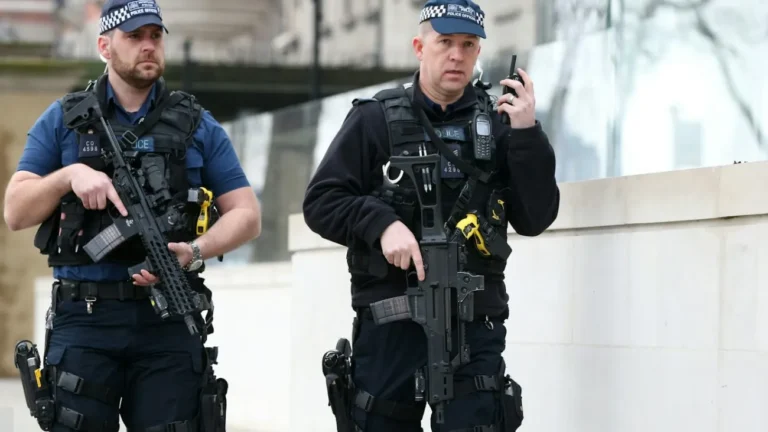
The current Home Secretary Shabana Mahmood announced plans to appeal the ruling. The proscription order criminalizes membership or support, carrying penalties of up to 14 years imprisonment. Despite the court judgment, nearly 700 individuals have faced terrorism charges, though no convictions have been secured. Metropolitan Police confirmed they would cease arresting individuals displaying support signs, though evidence gathering would continue pending the government’s appeal.
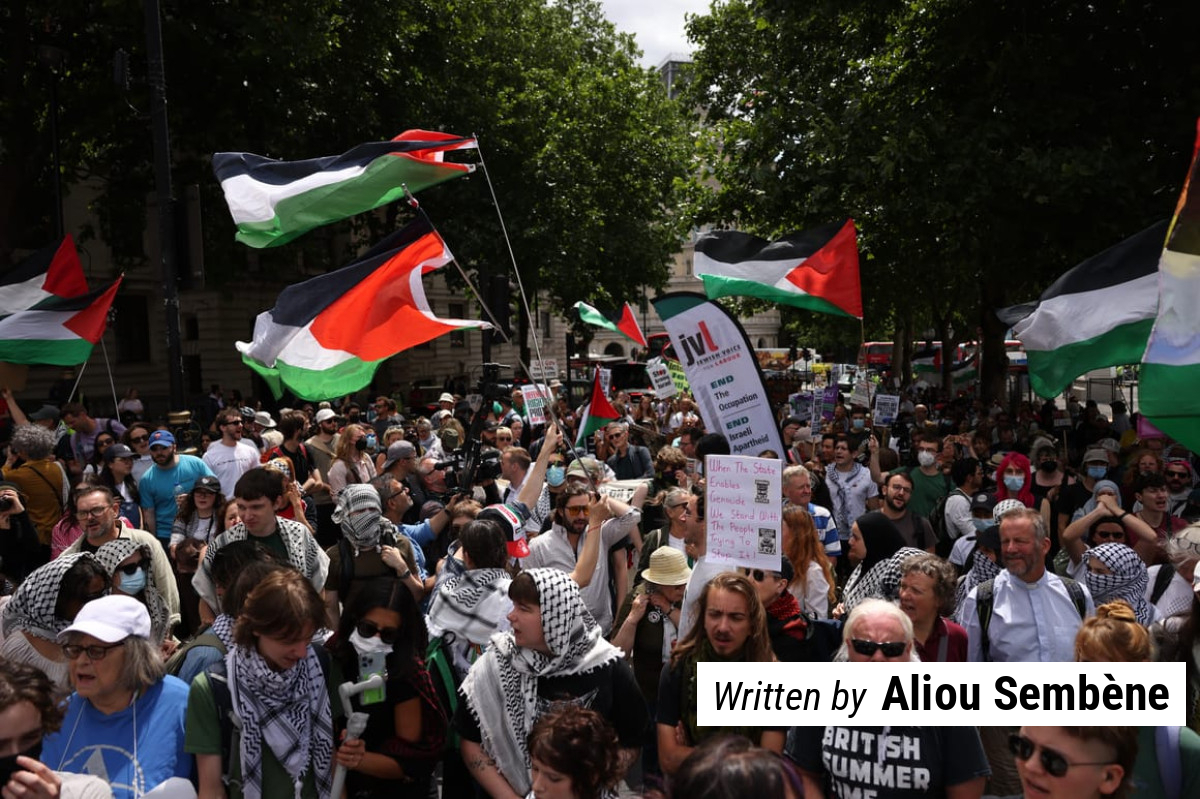
A group of 26 Labour MPs and peers, including former minister Lord Peter Hain and senior MP John McDonnell, has urged the government to abandon its appeal plans. Palestine Action representatives characterized the ruling as a landmark victory for freedom, asserting the ban was motivated by appeasing pro-Israel interests rather than legitimate security concerns.
Cooper also expressed anger regarding process failures in recent government appointments. She acknowledged the challenging week marked by Scottish Labour leader Anas Sarwar’s criticism of Prime Minister Keir Starmer. Cooper emphasized that violence against women and girls remains a central priority across multiple government departments and international policy initiatives.