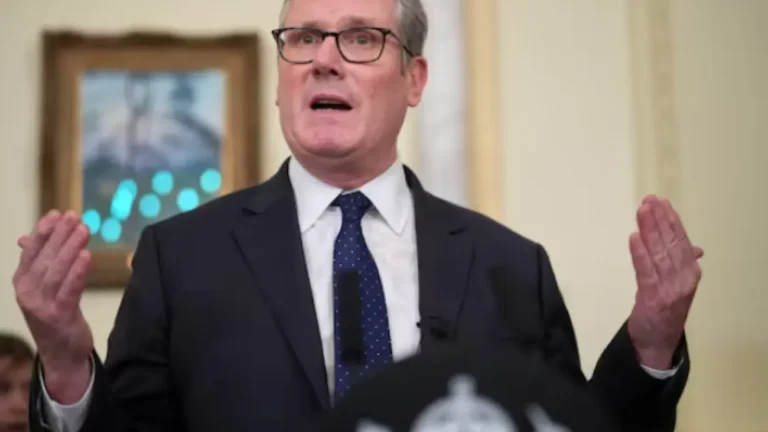
Prime Minister Keir Starmer has publicly acknowledged that he was aware of Peter Mandelson’s connections to Jeffrey Epstein before appointing him as US ambassador. During parliamentary questioning, Starmer stated that Mandelson had repeatedly deceived his team regarding the nature and extent of his relationship with the convicted sex offender. The prime minister expressed regret over the appointment, emphasizing that such a decision would never have been made had he possessed complete information at that time.
Starmer confronted Mandelson directly about his dishonesty, declaring that the peer had “betrayed our country” through his dealings with Epstein. The prime minister revealed that security vetting processes had actually flagged Mandelson’s ongoing contact with Epstein following the financier’s 2008 conviction for child sex offences. Despite being questioned about these connections, Mandelson allegedly provided false responses rather than honest accounts of his interactions.
Significant consequences have followed these revelations. Mandelson has been removed from the privy council, a historic advisory body to the monarch where senior government figures traditionally maintain lifetime membership. This removal was justified on grounds that his actions brought disrepute to the institution. Additionally, efforts are underway to strip Mandelson of his peerage entirely, representing an extraordinary political sanction.
Police have launched a criminal investigation into allegations that Mandelson leaked sensitive market information and government emails to Epstein while serving as business secretary during Gordon Brown’s administration. These disclosures allegedly occurred during the height of the 2008 financial crisis response. The prime minister expressed particular anger about this breach, noting the profound impact the financial crash had on ordinary citizens who lost employment, savings, and financial security.
Opposition leader Kemi Badenoch pressed Starmer on whether national security concerns justified withholding official documentation about Mandelson’s appointment. The government has offered limited disclosure of records while protecting sensitive national security material. Badenoch contended that appointing Mandelson himself represented the genuine security threat, rejecting the rationale for document restrictions. When questioned about his chief of staff Morgan McSweeney’s role in promoting Mandelson’s appointment, Starmer reaffirmed his confidence in McSweeney’s capabilities and loyalty.