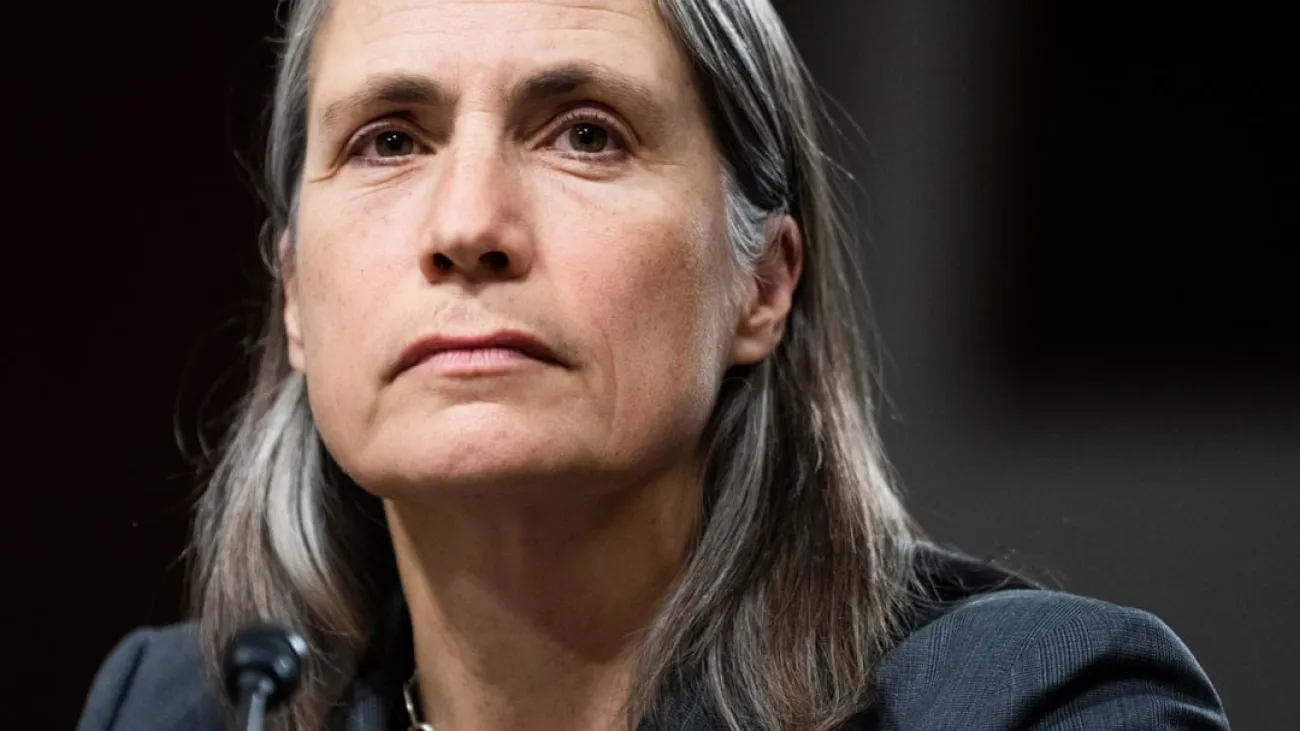
- Security expert Fiona Hill warns that Britain is highly vulnerable to Russian propaganda and manipulation.
- Sweden is cited as a successful model for implementing psychological defence against information warfare.
- Former officials urge the UK government to engage the public regarding modern national security threats.
Security specialist Fiona Hill believes the United Kingdom is now a soft target for state propaganda. Speaking to a parliamentary committee, she noted a failure to educate citizens on information warfare. This lack of preparation makes the electoral system vulnerable to online manipulation and societal instability.
Hill compared the British situation to Sweden, which utilizes a concept known as psychological defence. This strategy trains people to recognize manipulation. Sweden established a dedicated agency in 2022 to combat disinformation, reflecting a Cold War approach updated for the modern digital age.
The Swedish agency once stopped false narratives claiming social services kidnapped Muslim children. These lies originated from sources in Egypt and gained traction in immigrant communities. The agency successfully quashed these stories, demonstrating the value of active public psychological defence and awareness.
George Robertson, a former Nato chief, joined Hill in calling for greater public engagement on threats. He believes the government must communicate risks from Russia, China, and Iran. He argued that national defence is not only for the armed forces but requires everyone.
Read also: Football : Hull could face a points deduction while competing in the Premier LeagueRobertson expressed concern that Prime Minister Keir Starmer has not yet started communicating these urgent risks. This is critical since Starmer previously warned that Russia might attack Nato by the end of the decade. Robertson advocates for an all of country approach to security.
Hill pointed to the Troubles in Northern Ireland as a successful example of public education. At that time, citizens learned to avoid unattended bags containing explosives. She argues the government now fears public panic, failing to test if talking to people directly works.