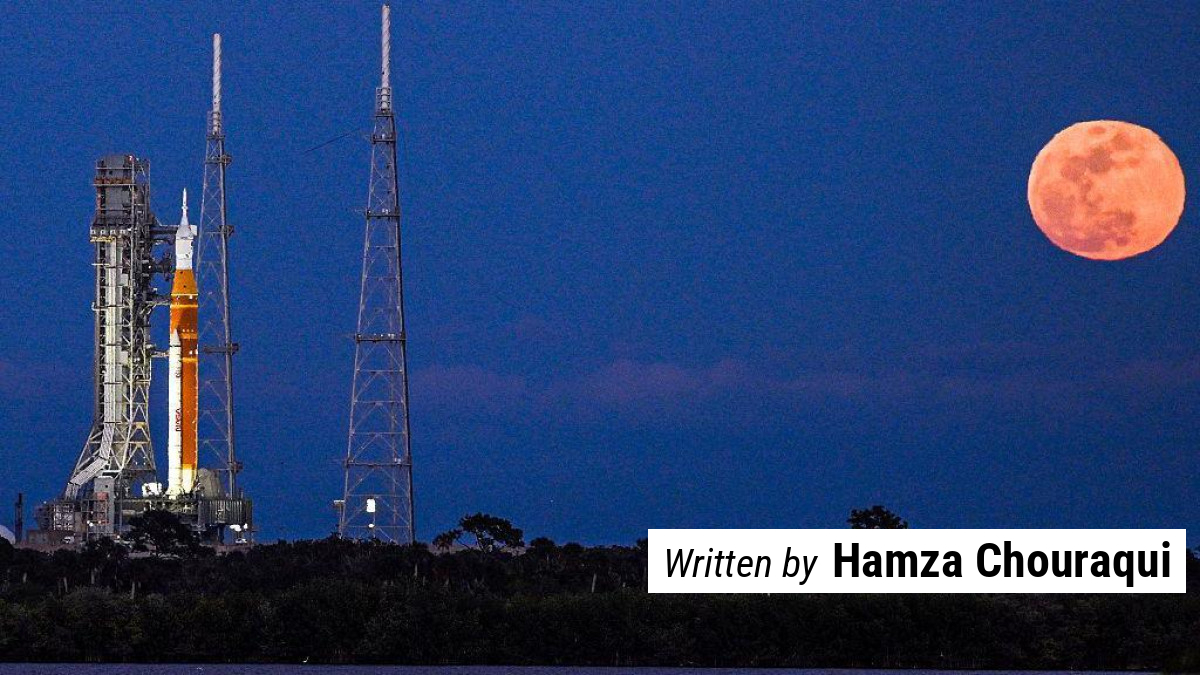
- NASA is preparing for its first manned lunar voyage in over five decades this week.
- Unfavorable weather conditions and lightning risks could potentially delay the Artemis II rocket launch.
- Meteorologists are monitoring wind, cloud formations, and solar radiation levels to ensure mission safety.
NASA prepares to launch its first crewed lunar mission in over 50 years. However, the Artemis II launch remains subject to strict meteorological conditions at Cape Canaveral. Space agency experts have the authority to cancel the flight if safety standards are not met. The presence of 750,000 gallons of propellant makes lightning a critical hazard.
The primary launch window opens on 1 April at 16:24 EDT. Forecasters from the 45th Weather Squadron are currently observing potential cumulus cloud development and strong gusts. While Florida experiences seasonal warming, high pressure in the Atlantic is creating moist atmospheric conditions. This combination often generates thick clouds and unpredictable coastal thunderstorms.
Meteorologists use complex climatological data to determine if a launch is viable. Historically, nearly 50 percent of all mission cancellations result from weather violations. Officials must consider natural strikes and rocket-induced lightning. A fast-moving vehicle with an exhaust trail can trigger electrical discharges even from clouds that appear non-threatening.
Safety criteria extend beyond the launch pad to include Atlantic recovery zones for the crew. Experts are also tracking solar activity, as high radiation levels could harm the astronauts. Past missions have been aborted as late as 60 seconds before liftoff. If the initial window fails, backup dates are scheduled between 2 and 6 April.
Read also: Football : Hull could face a points deduction while competing in the Premier LeagueThe Artemis II rocket has already faced climate-related delays during its preparation phase. In February, freezing temperatures disrupted essential fueling tests and dress rehearsals. Now that the vehicle is on the pad, it remains vulnerable to environmental shifts. The launch weather officer will provide the final clearance only if every rule is satisfied.