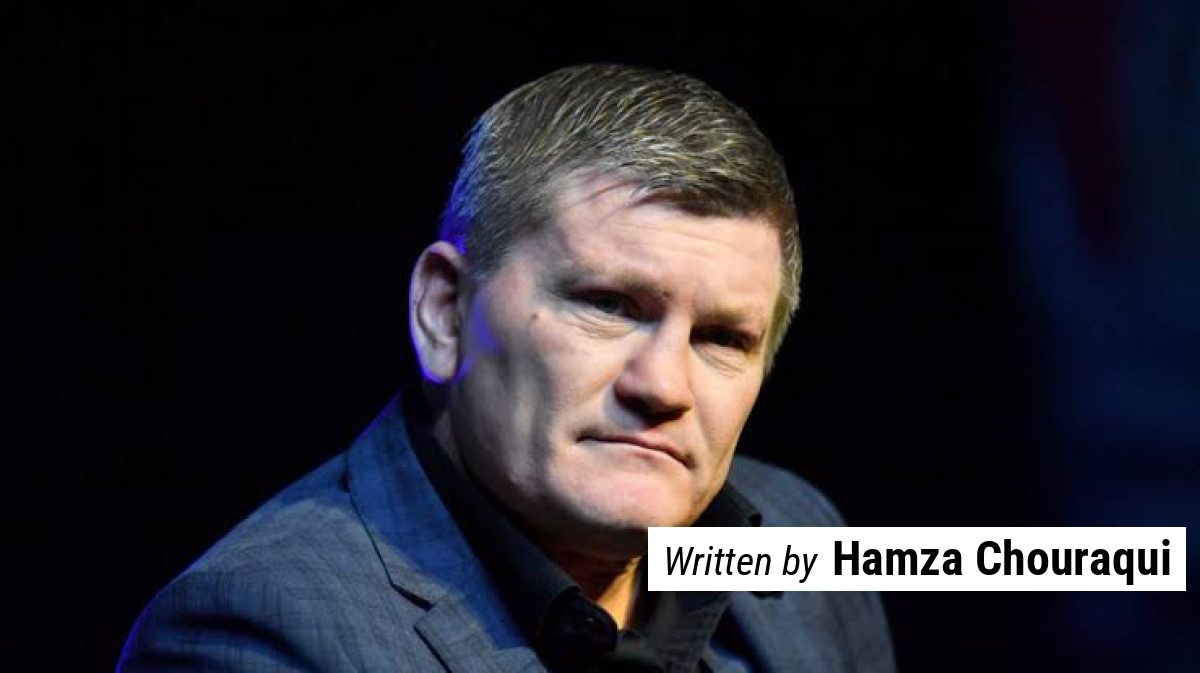
- A coroner recently determined that boxer Ricky Hatton did not clearly intend to end his life.
- Police discovered the former world champion deceased at his home in Greater Manchester on September 14.
- Medical examinations identified chronic traumatic encephalopathy and high alcohol levels at the time of death.
A legal inquiry into the passing of Ricky Hatton concluded that the boxer lacked clear suicidal intent. Although the 46 year old was discovered dead at his residence in Hyde, senior coroner Alison Mutch refrained from recording a suicide verdict. She noted that the provided evidence did not sufficiently prove his actions were premeditated.
The veteran sportsman was found unresponsive by his manager, Paul Speak, on the morning of September 14. Speak had arrived to take Hatton to the airport for a scheduled trip to Dubai. When Hatton missed a previous engagement and failed to answer his door, emergency services were called to the property where he was pronounced dead.
Toxicology reports conducted during the investigation revealed that Hatton had consumed alcohol well over the legal driving limit. Traces of cannabis and cocaine were also present in his system. Furthermore, medical experts identified signs of chronic traumatic encephalopathy, a brain condition often linked to the physical impact of a long boxing career.
Family members testified that the former world champion had been in high spirits recently. Two days before his death, he enjoyed a meal with his daughters and granddaughter. During this final meeting, he appeared normal to his relatives and discussed his upcoming exhibition match. His family believed he was finally doing well after years of personal struggles.
Despite his positive mood, his son Campbell noted a decline in his father’s short-term memory over the last 3 years. Hatton often repeated himself and relied on written notes for daily tasks. However, those closest to him emphasized that he was a devoted father who cherished his daughters and had significant plans for his future.
The coroner ultimately delivered a narrative verdict, citing the complicating factors of neuropathological damage and heavy intoxication. Because these elements obscured his true state of mind, the court could not legally confirm a suicide. Police found no evidence or messages suggesting that the athlete had been planning to take his own life.