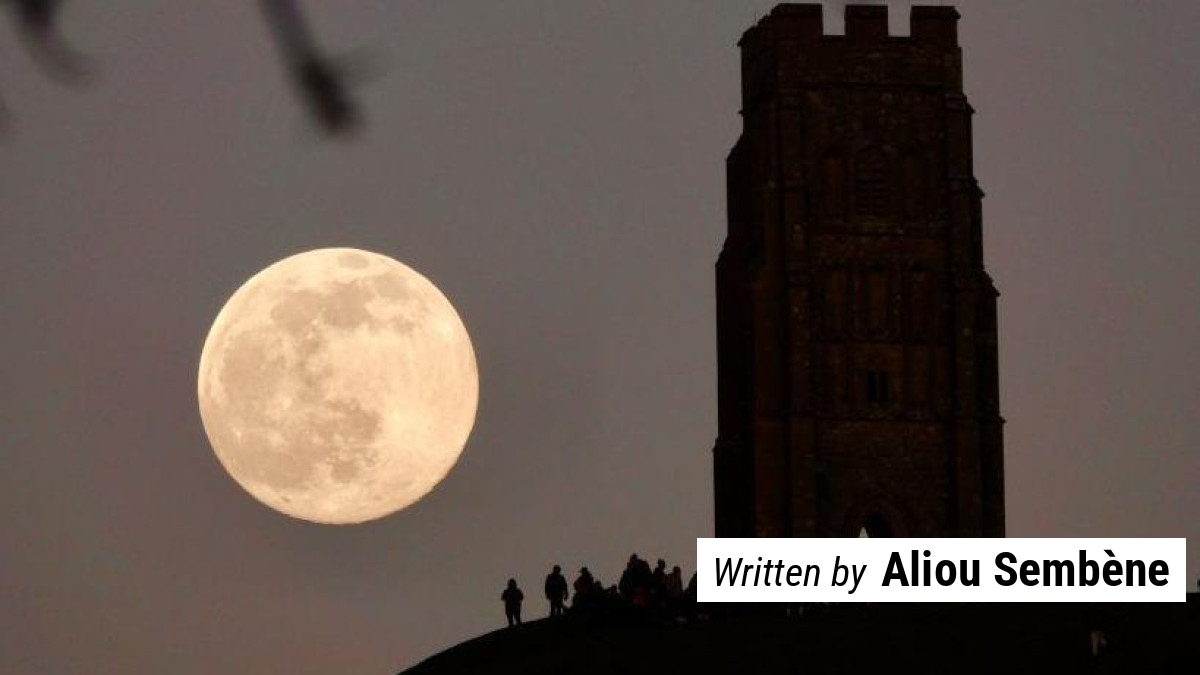
- The Worm Moon, spring’s initial full lunar display, appears on 3 March in UK skies.
- A total lunar eclipse accompanies this celestial event across Americas, Asia, and Australia.
- UK observers will miss the eclipse as the Moon sets before Earth’s shadow reaches it.
On 3 March, the Worm Moon will reach its fullest phase at 11:38 GMT, marking the 3rd full Moon of 2026. This astronomical event coincides with a rare total lunar eclipse visible from the Americas, Asia, and Australia, creating a spectacular double event for fortunate observers in those regions. The Moon will appear full throughout Monday and Tuesday nights across the UK, though peak illumination occurs during daylight hours.
The lunar display will be most visually striking when the Moon approaches the horizon during moonrise. Viewing times vary across UK locations, with London seeing moonrise at 17:42, Edinburgh at 17:44, Cardiff at 17:48, and Belfast at 17:50. Face eastward during early evening hours for optimal viewing conditions. The phenomenon becomes particularly impressive near the horizon due to atmospheric effects that enhance its appearance against the landscape.
For portions of the world positioned favorably, the eclipse will transform the Moon into a Blood Moon, displaying a distinctive rusty red colouration. This occurs when Earth positions itself directly between the Sun and Moon, casting a shadow across the lunar surface. North America, South America, East Asia, and Australia will witness this rare spectacle, while unfortunately the UK will not, as the Moon will have set below the horizon during the eclipse event.
The March full Moon earned its traditional name because earthworms emerge from soil as spring temperatures rise, a seasonal marker observed by ancient cultures. Full Moon names originated from pre-calendar societies as practical methods for tracking seasonal changes and significant natural events. These nomenclature traditions persist today, linking lunar cycles to observable environmental patterns throughout the year.
Read also: Football : Hull could face a points deduction while competing in the Premier LeagueClear viewing conditions appear likely on Monday night across East Anglia and southeastern England, though cloud bands will advance from the west. Scottish and Northern Irish skies will clear later into the night. Tuesday overnight presents clearer conditions across most regions except southeastern areas. If weather obstructs viewing this time, the Pink Moon follows on 1 April, succeeded by the Flower Moon on 1 May. May culminates with a rare Blue Moon on 31 May, the second full Moon within a single month, an occurrence that materializes only every several years.