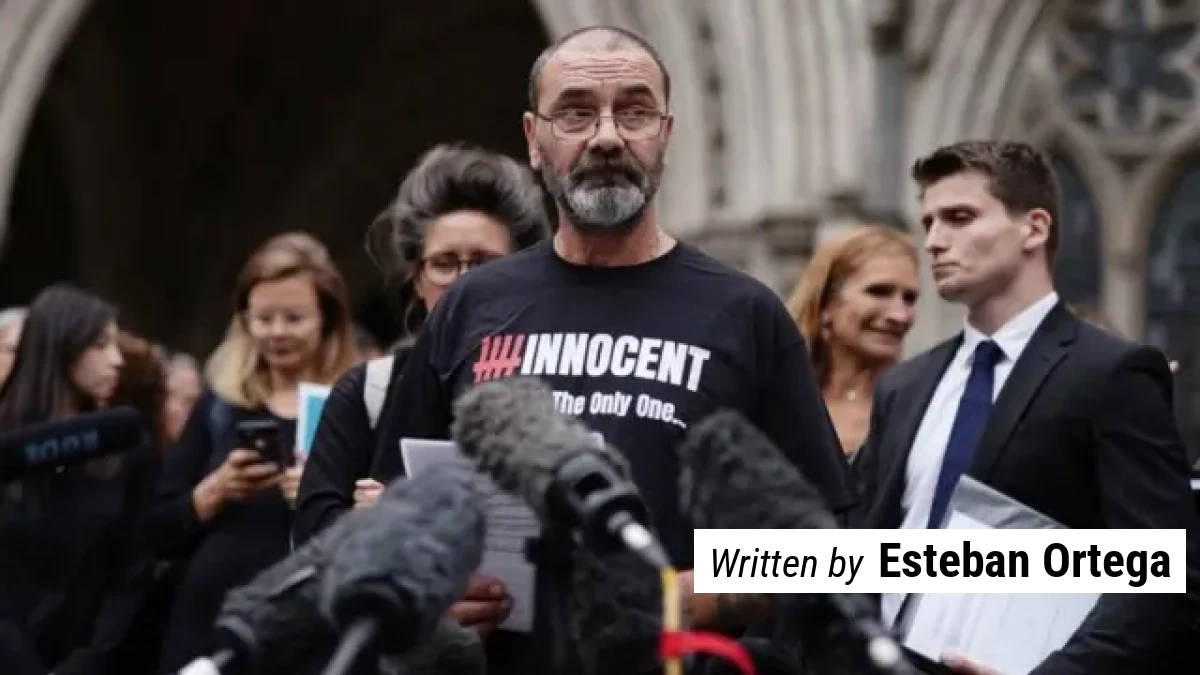
Three individuals who endured between 11 and 38 years of incarceration for crimes they did not commit are advocating for legal reform in England and Wales. Despite their exoneration, these men remain uncompensated for their time behind bars. Their cases highlight a fundamental problem with the current compensation system, which demands an extraordinarily high burden of proof even after courts have already cleared them.
Under existing law, wrongfully convicted individuals must demonstrate their innocence beyond reasonable doubt to receive compensation. This requirement persists even after appellate courts have overturned their convictions. Consequently, numerous high-profile cases of miscarriage of justice have resulted in rejected compensation claims. Many individuals released from prison find themselves in dire financial circumstances while pursuing compensation they believe they deserve.
Justin Plummer, who served 28 years following two murder convictions for a crime he did not commit, expressed his frustration at the parliamentary meeting. Released last year, Plummer struggles with significant mental health issues resulting from his wrongful imprisonment. He emphasized needing compensation for psychiatric treatment, not luxuries. His legal representative, Katy Thorne KC, questioned how individuals without police resources could possibly investigate decades-old crimes to prove their innocence.
Oliver Campbell spent 11 years in prison after receiving a life sentence at age 21 for conspiracy to rob and murder. Cleared in 2024, Campbell has learning disabilities and was coerced into confessing falsely. His lawyer noted the appeal court failed to address procedural problems surrounding his confession or acknowledge statements from another inmate exonerating him, making compensation claims substantially more difficult to establish.
Peter Sullivan was imprisoned for 38 years before his murder conviction was overturned last year, representing what many consider the longest-running miscarriage of justice involving a living British inmate. Though promised compensation, he has not yet received payment and currently depends on state benefits. His solicitor advocated for interim payments within days of release, questioning why individuals enduring such prolonged injustice must face immediate financial hardship.