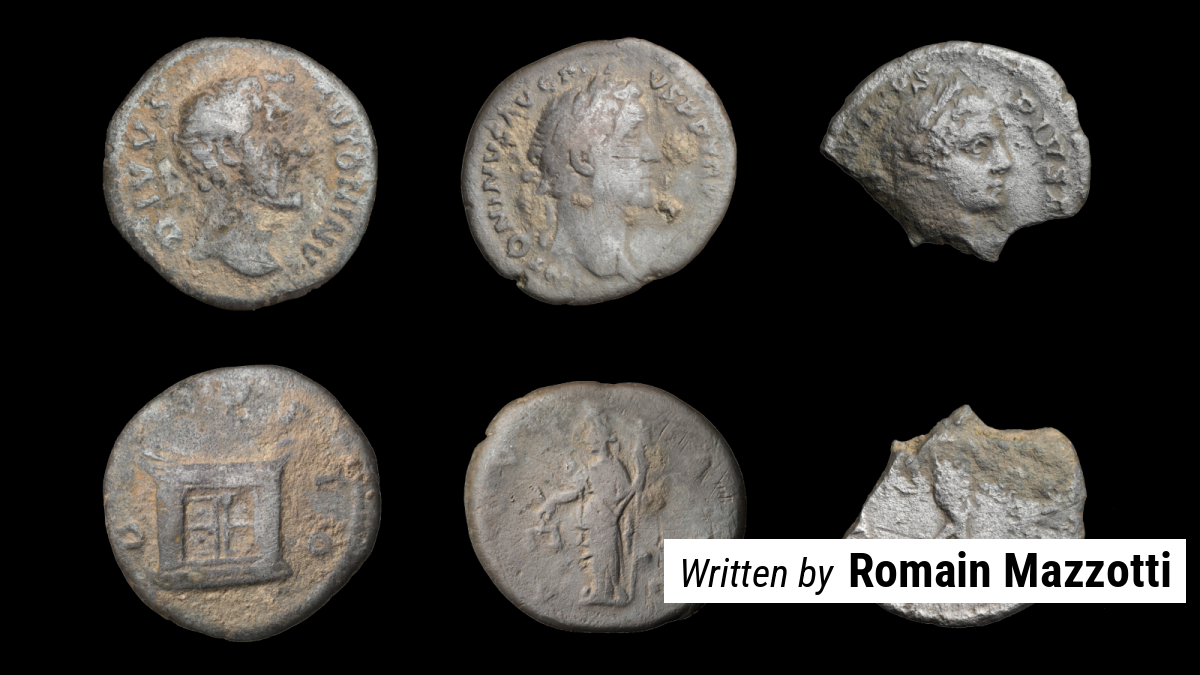
Britain experienced record-breaking archaeological discoveries in 2024, driven largely by metal detectorists uncovering significant artifacts across the nation. Among the most notable finds were 179 silver pennies associated with King Harold II, likely buried around 1066, alongside rare Roman objects and early medieval treasures. The British Museum’s official announcement highlighted how public contributions have transformed understanding of the country’s historical record.
Public reporting accounted for 94% of all recorded finds, representing a substantial surge over the previous three years. The total count reached 79,616 discoveries in 2024, compared to 74,506 in 2023 and 53,490 in 2022. This dramatic increase reflects growing engagement with metal detecting and heightened awareness of archaeological preservation. The museum emphasized that citizen participation plays a crucial role in documenting and safeguarding national heritage.
The Harold II hoard, discovered in Yorkshire, comprises exclusively coins from his brief reign during a period of considerable political instability in the 1060s. Archaeological evidence suggests the pennies were concealed shortly before the Norwegian invasion led by King Harald Hardrada in September 1066. The location, near where Harald captured York following the Battle of Fulford, supports theories about the hoard’s hasty burial before conflict.
Roman artifacts equally captured scholarly attention, particularly a complete copper-alloy vehicle fitting from AD43 to AD200. Unearthed by a detectorist in Essex, this rare piece likely belonged to a carriage, wagon, or animal harness system. Such intact vehicle components remain uncommon in British archaeological records, making this discovery exceptionally valuable for understanding Roman transportation technology.
Read also: Football : Hull could face a points deduction while competing in the Premier LeagueWiltshire yielded precious early medieval objects suggesting elite burial practices. Metal detectorists discovered a silver, gold, and garnet bird’s-head terminal featuring elephant ivory inlays, potentially from a drinking vessel, alongside gold rings and other metalwork. These items, found meters apart in plowed soil, may constitute a single high-status grave assemblage. Cardiff University and the Portable Antiquities Scheme will conduct excavations to further investigate this significant site.
Geographic distribution revealed concentrated activity in agricultural regions. Norfolk led with 7,120 portable antiquities finds, followed by Suffolk with 5,410 and Lincolnshire with 5,133. Treasure discoveries showed similar patterns, with Norfolk recording 138 cases, Hampshire 110, and North Yorkshire 109. Over 92% of objects came from cultivated farmland, where archaeological materials face persistent vulnerability to modern farming practices.
Legal frameworks govern treasure classification under the 1996 Treasure Act, which designates metallic objects containing at least 10% precious metal content and exceeding 300 years in age as treasure. During 2024, England, Wales, and Northern Ireland recorded 1,540 treasure cases, an increase of 163 from the previous year. Museum leadership stressed that systematic recording through the Portable Antiquities Scheme preserves discoveries and ensures public accessibility to these invaluable historical resources.