- Keir Starmer urged Labour MPs to maintain unity facing a critical vote on a standards investigation.
- The controversy centers on the appointment of Peter Mandelson as the ambassador to the United States.
- Former staff and officials are providing evidence regarding security vetting and potential pressure on the Foreign Office.
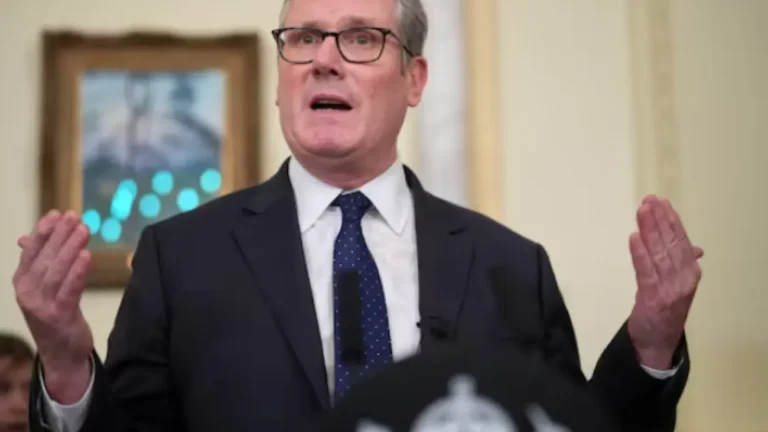
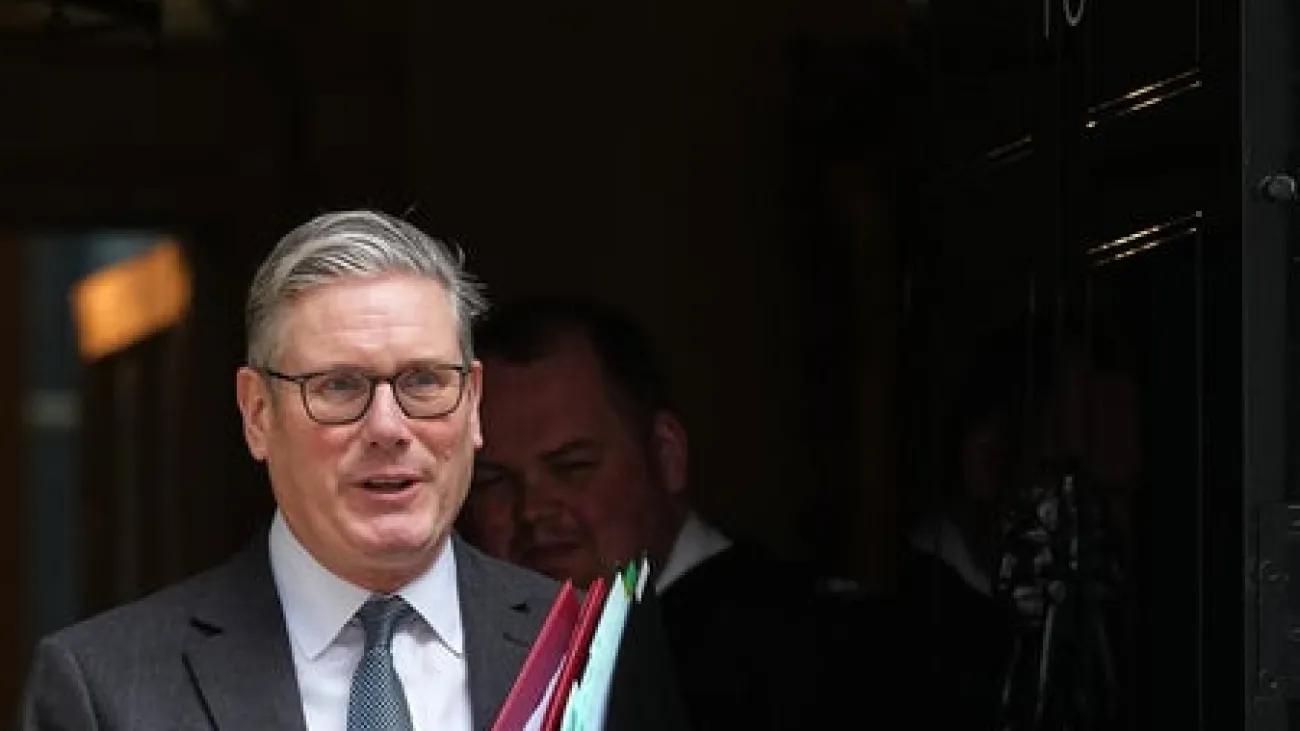
Keir Starmer has called for his party to stick together and fight together during a volatile period. The prime minister is navigating a fragile position as ministers work to secure support. This effort comes ahead of a House of Commons vote on a potential referral to the privileges committee.
The situation involves the appointment of Peter Mandelson as US ambassador. Starmer faces a standards investigation and potentially damaging testimony from Morgan McSweeney. McSweeney, a former chief of staff, will appear before the foreign affairs committee to discuss the appointment process and vetting procedures.
Labour leadership is fighting a Conservative motion to refer the prime minister for investigation. High-profile figures like Gordon Brown and Alan Johnson have dismissed the vote as a political stunt. They argue the timing is intended to destabilize the party just nine days before local elections.
Questions remain regarding whether the Foreign Office was pressured to approve Mandelson. Philip Barton may testify about whether he was told to just fucking approve the appointment. Meanwhile, security director Ian Collard admitted feeling pressure for a rapid outcome during the vetting process.
To defend his integrity, Starmer emphasized his commitment to being totally transparent with the public. Downing Street released a letter from former cabinet secretary Chris Wormald stating that appropriate processes were followed. However, critics point to conflicting accounts regarding pressure applied to officials.
While most Labour MPs plan to vote against the referral to avoid a Conservative victory, some dissent exists. John McDonnell suggested that Starmer should refer himself to show confidence. Most members, however, believe changing leadership now would be detrimental during global conflicts and inflation shocks.