- UK foreign aid spending reached its lowest point since 2008 according to recent data.
- The government intends to lower aid spending to 0.3% by 2027 for defense.
- Humanitarian experts warn that these deep funding cuts are actively costing human lives.
The United Kingdom has allocated 0.43% of its national income to official development assistance in 2025. This figure represents the lowest level of spending since 2008. The total amount spent was just over 13bn pounds, marking a 7.4% decline from the previous year.
Financial records show an annual drop of 1bn pounds in aid. Excluding the Covid-era dips, these 2025 allocations are the lowest since 2015. During that 2015 period, the government provided over 12bn pounds, which accounted for 0.7% of the national income.
Foreign Secretary Yvette Cooper stated that the UK will remain a major player in overseas development. The strategy is shifting from being a donor to an investor. This approach prioritizes technical expertise and funding for war-torn regions like Gaza, Sudan, Lebanon, and Ukraine.
By 2027, the government plans to reduce spending to 0.3% to fund an increase in defense spending. While they aim to return to 0.7% eventually, experts fear the G7’s steepest cuts. The OECD warns these trends will hit the poorest nations hardest.
In 2025, 2.4bn pounds supported refugees and asylum seekers within the UK. This amount represents 18% of the total aid budget. Bond director Gideon Rabinowitz argues that Home Office budgets should cover these costs instead of using international humanitarian funds.
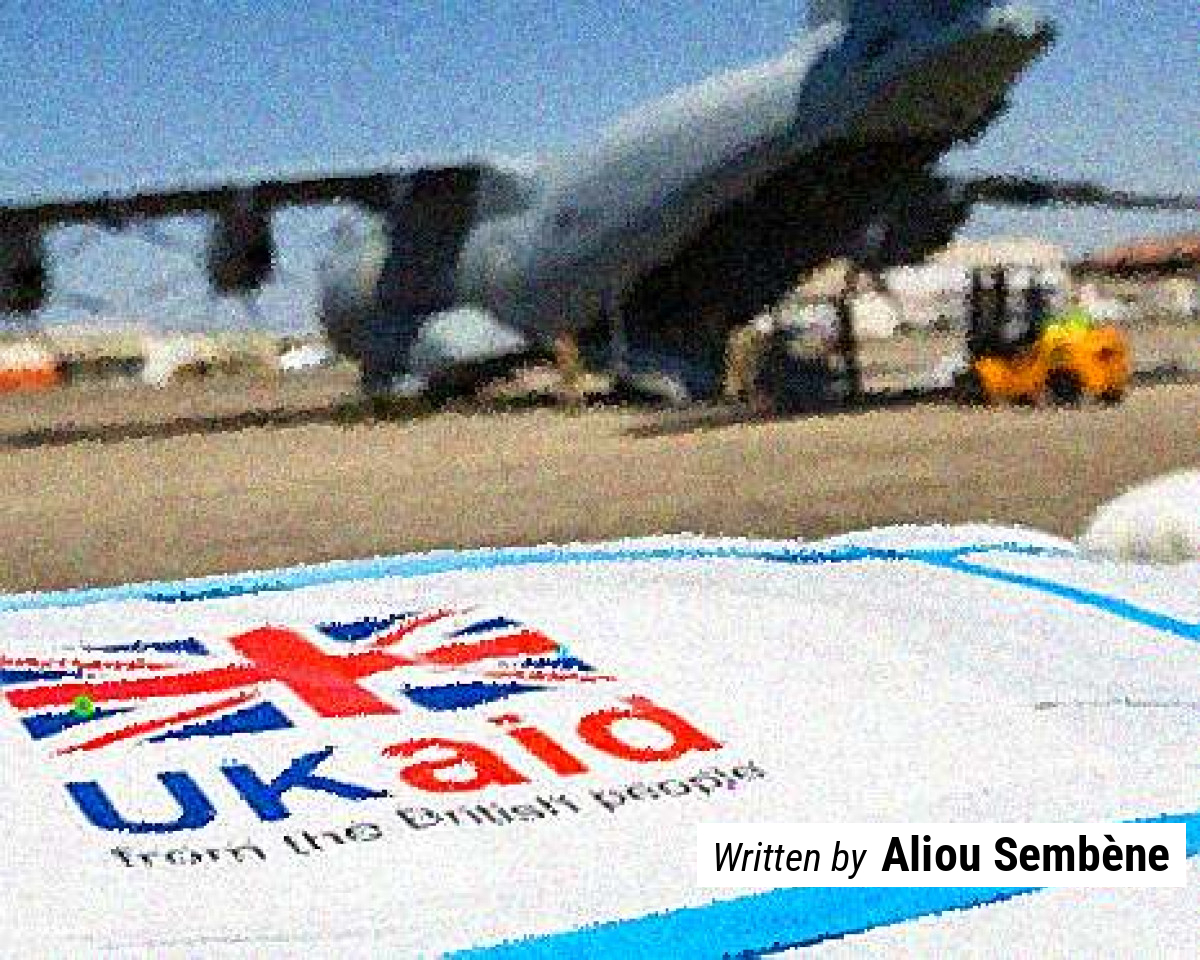
Aid cuts have already forced the closure of healthcare and education programs in Africa and Syria. Campaigners argue that these political choices damage the UK’s global reputation. They claim that reducing aid makes the world more vulnerable to conflict and disease.