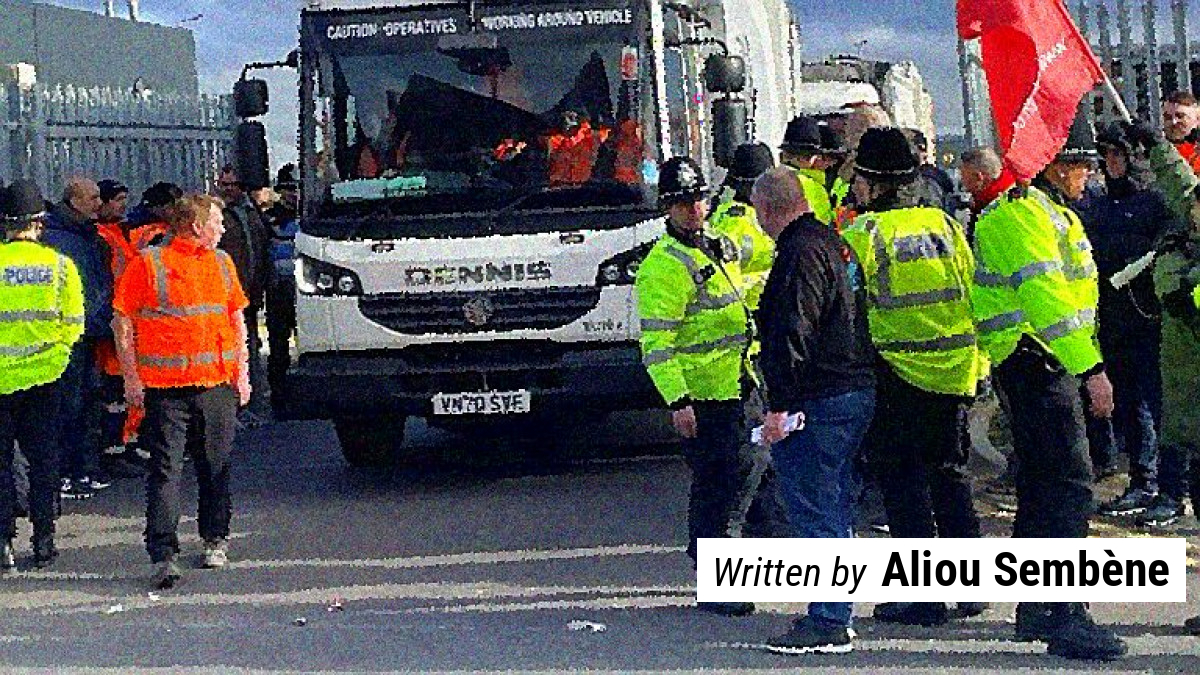
- Birmingham city council is accused of doubling its agency worker spending during lengthy bin strikes.
- The local authority’s refuse expenditure rose from 4.3 million to 8.8 million pounds annually.
- Union leaders claim the council is illegally hiring external staff to break the industrial action.
Birmingham city council has faced intense scrutiny after data revealed a massive surge in payments to external labor providers. Since refuse workers initiated industrial action over 1 year ago, the spending on agency staff has doubled. This financial shift occurred precisely as the city struggled with a lack of consistent waste collection services.
The financial records indicate a sharp rise in costs within the fleet and waste operations department. Between April and December 2024, the council allocated 4.3 million pounds for agency workers. However, this figure skyrocketed to 8.8 million pounds by late 2025. These numbers align with the period of all-out strikes.
Labor union Unite has characterized this spending as an unlawful attempt to undermine the strike. General secretary Sharon Graham stated that the council is wasting public funds to break the dispute. Using temporary staff to perform the duties of striking workers is legally prohibited, yet the union maintains the evidence is undeniable.
Local officials have strongly denied these allegations, claiming that agency usage remains consistent with pre-strike levels. The council argues that the figures encompass the entire waste department rather than just residential curbside collections. They insist the extra costs cover unrelated services like holiday pay and fly-tipping removal instead of replacement labor.
Before the industrial action began in January 2025, monthly agency costs averaged 481,000 pounds. As the dispute escalated into an all-out strike by March 2025, monthly spending reached 1.2 million pounds. Employment experts suggest the council must prove this increased expenditure was not intended to mitigate the strike’s impact.
The conflict originated from proposed pay reductions and the removal of specific recycling roles. Unite claims these changes could cost some workers 8,000 pounds annually, a figure the council disputes. Despite previous attempts at negotiation, talks collapsed last July after the council claimed it had reached the limit of its financial offers.
Tensions continue to rise as the dispute potentially stretches beyond September of this year. Recently, even some agency workers joined the picket lines following allegations of workplace bullying. While the union was previously fined for blocking waste depots, the stalemate remains unresolved as trash continues to accumulate on city streets.