- Prime Minister Keir Starmer warns that a prolonged conflict would impact everyday household finances and business operations.
- Rising fuel prices and energy costs are driving government efforts to monitor economic stability and mitigate inflation.
- Despite international tensions, officials maintain that national energy supplies remain sufficient and reject claims of immediate shortages.
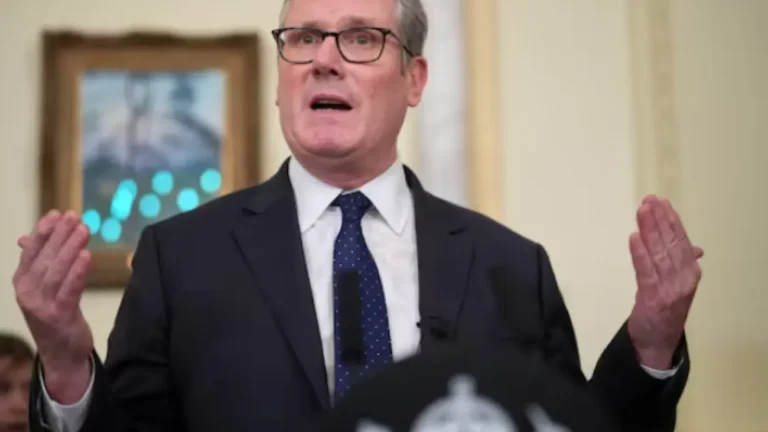
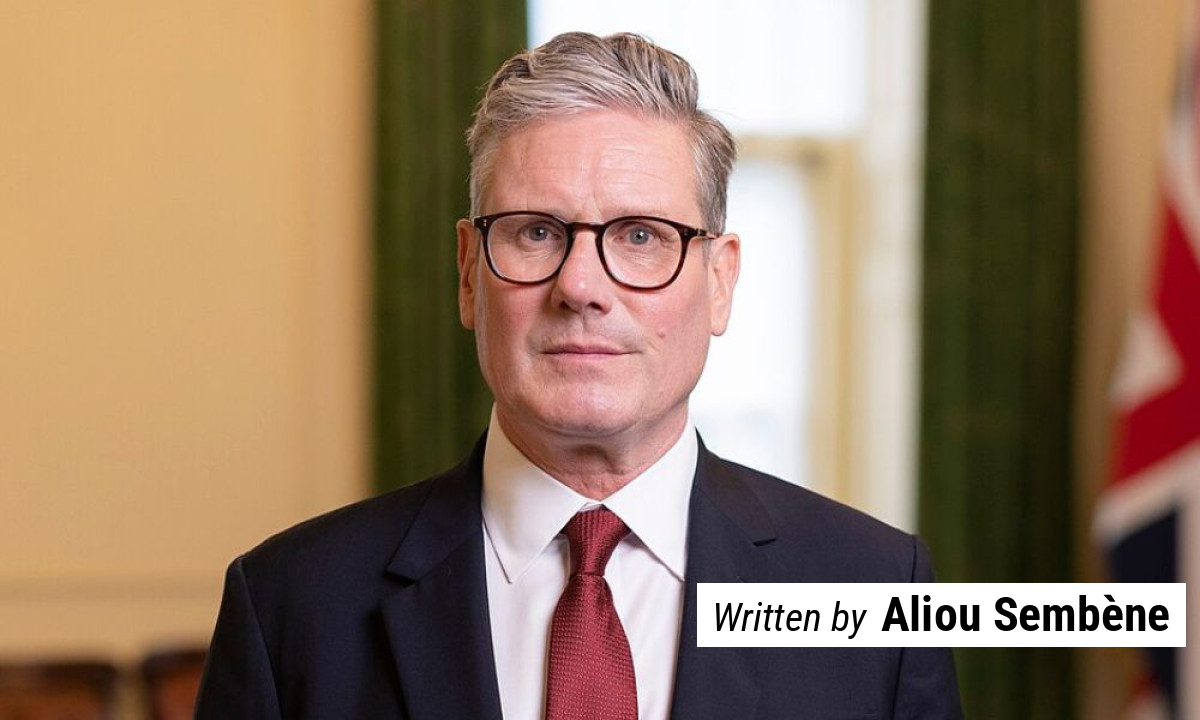
Prime Minister Keir Starmer has issued a warning regarding the potential for prolonged international conflict to disrupt domestic life. He noted that an extended war would eventually influence the daily expenses of every household. As a result, the government is currently analyzing various risks to the national economy and business sectors.
Market volatility is already evident as oil prices recently climbed above 100 dollars per barrel for the first time in two years. This surge is expected to cause significant price hikes at gas stations across the country. Higher energy costs also threaten to push inflation upward, creating further financial pressure on the public.
To combat these rising costs, ministers are exploring strategies to lower energy bills for consumers. There is growing pressure on the government to cancel a scheduled fuel duty increase planned for this autumn. Starmer emphasized that the Chancellor communicates daily with the Bank of England to monitor emerging financial threats.
Motoring organizations report that fuel prices have already jumped significantly in a single week. Industry data shows petrol reaching 137.5p per litre while diesel has hit 151p. Experts predict further increases, with unleaded likely to hit 140p and diesel potentially reaching 160p within the coming days.
In response to these trends, the AA suggests that drivers should avoid non-essential travel to save money. Motorists are also encouraged to adjust their driving techniques to improve fuel efficiency during this period. However, the organization advised the public not to change their usual refueling habits out of panic.
While global tensions remain high, officials insist that UK energy supplies remain stable and sufficient. Government representatives specifically denied reports claiming the nation had only two days of gas reserves remaining. Communities Secretary Steve Reed stated there is no reason for undue alarm regarding immediate supply shortages.
The Prime Minister also highlighted that the current economy possesses greater resilience than in 2022. With inflation currently at 3 percent, Starmer believes the nation has more financial headroom to handle shocks. He remains focused on protecting national interests while collaborating with international partners to mitigate global economic risks.
Geopolitical decisions also remain a priority, as Starmer defended his stance on the use of British military bases. While he restricted bases for offensive operations, they remain available for defensive actions against retaliatory strikes. The government continues to prioritize domestic stability while monitoring the evolving situation in the Middle East.