- Prime Minister Keir Starmer is prioritizing family financial support as global oil prices exceed 100 dollars.
- G7 finance ministers are meeting to discuss releasing emergency petroleum reserves to stabilize the energy market.
- A potential blockade of the Strait of Hormuz threatens the natural gas supply for United Kingdom households.
Global energy markets are facing significant volatility after crude oil valuations surpassed 100 dollars per barrel for the first time since 2022. This price spike followed an escalation in Middle Eastern tensions involving the United States, Israel, and Iran. Consequently, Brent crude reached a four-year high, triggering a sharp decline in European and Asian stock markets on Monday morning.
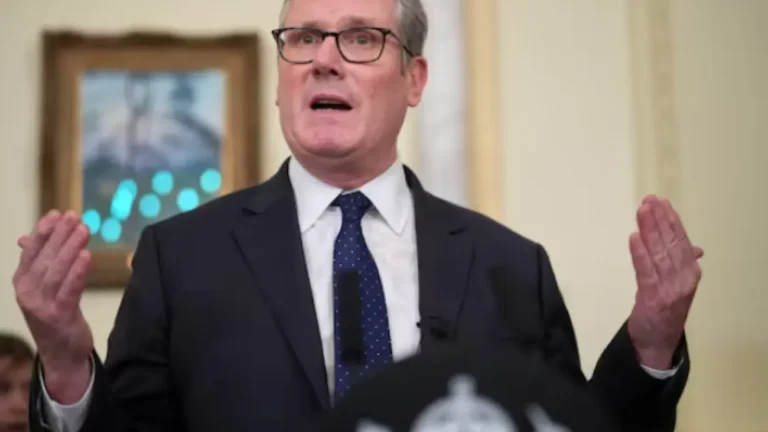
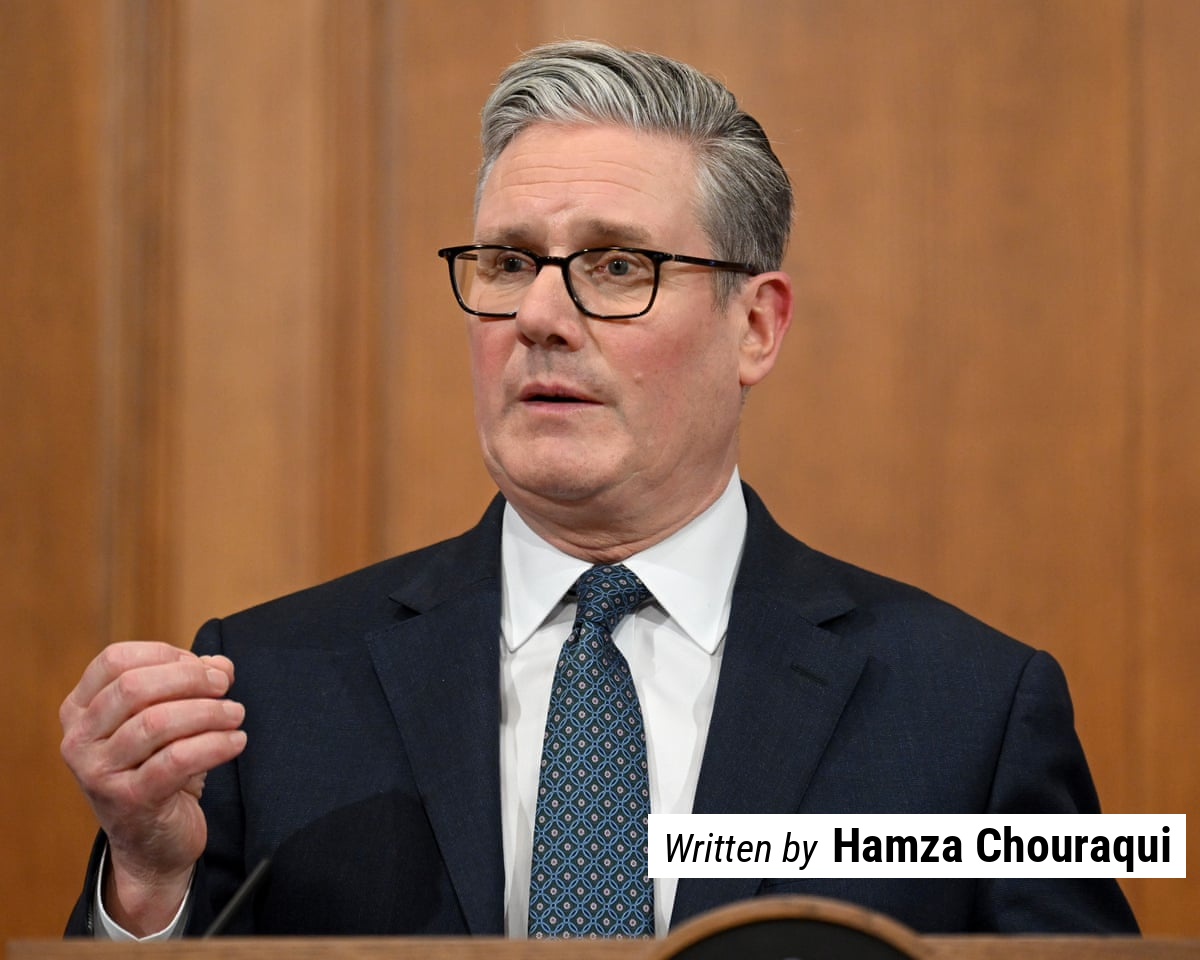
Prime Minister Keir Starmer has publicly addressed these economic threats, emphasizing that supporting working people remains his administration’s primary concern. During a visit to a London community center, he acknowledged public anxiety regarding household bills and employment. Starmer stated that the government is proactively assessing systemic risks to mitigate the long-term impact of the conflict on the national economy.
To combat the supply crunch, G7 finance ministers and the International Energy Agency are holding emergency virtual talks today. They are considering a coordinated release of 300 million to 400 million barrels of petroleum from strategic reserves. This significant move would represent roughly 25 to 35 percent of the total global emergency stockpile held by the 32 member nations.
Domestically, the United Kingdom faces specific vulnerabilities due to its reliance on liquid natural gas transported through the Strait of Hormuz. While an energy price cap currently shields most households from immediate shocks, a prolonged blockade could lead to severe shortages. The cost of gas has already climbed 19 percent, reaching 163 pence per therm in recent trading sessions.
Chancellor Rachel Reeves is under mounting pressure from unions and lawmakers to develop a support package for small businesses and families. Although previous measures like freezing prescription charges were implemented, the current crisis threatens to erase existing fiscal headroom. Officials are now monitoring international developments daily alongside the Bank of England to decide if further intervention is required.
The geopolitical situation remains tense following retaliatory strikes in the Middle East, leading to internal political debates about foreign policy. While some previous leaders suggested closer military cooperation with the United States, current ministers emphasize that the government must not outsource its international strategy. Meanwhile, motorists are expected to face increased fuel costs at petrol stations as oil prices continue to rise.