- Maritime insurers cancel war risk coverage for Gulf shipping operations.
- Approximately 150 vessels have anchored in Strait of Hormuz area.
- Shipping costs and insurance rates surge significantly across the region.
The ongoing conflict involving Iran has prompted major insurance firms to withdraw war risk protection from the Persian Gulf region. Companies including Norway’s Gard and Skuld, the UK’s NorthStandard and London P&I Club, and New York’s American Club announced cancellations effective March 5. This action applies to Iranian waters, the Gulf, and adjacent areas where commercial vessels operate regularly.
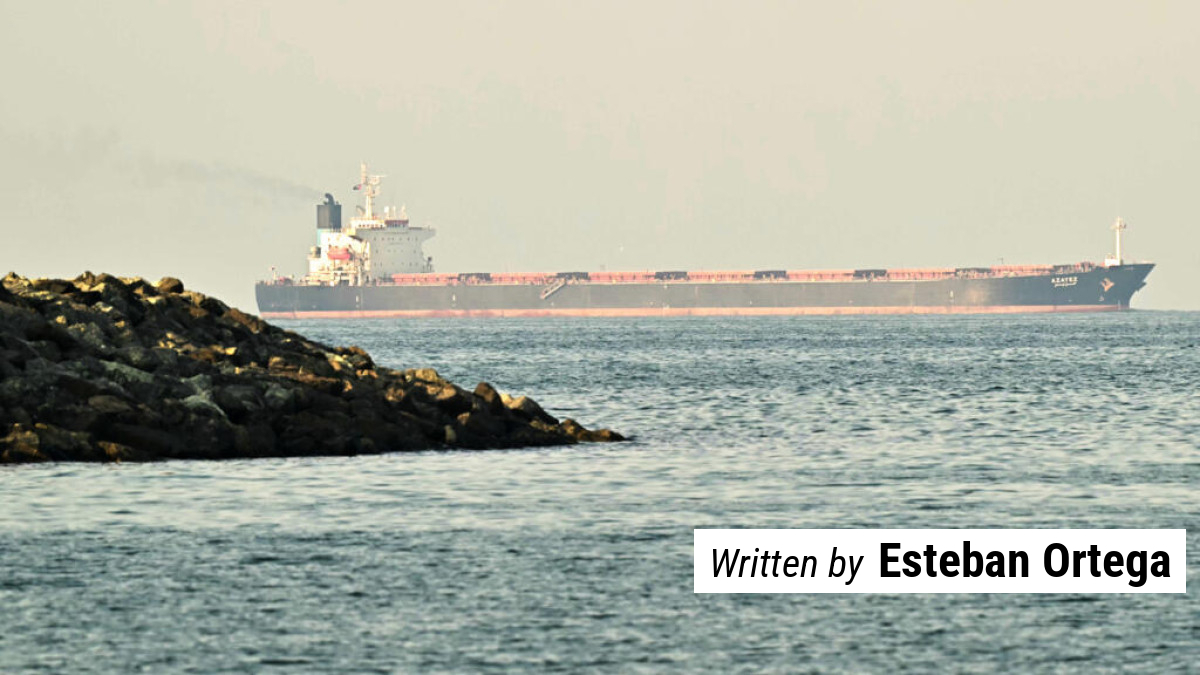
Disruption to one of the world’s most critical shipping corridors has accelerated dramatically. More than 150 vessels, including oil and liquefied natural gas tankers, remain anchored in the Strait of Hormuz and surrounding waters following intensive airstrikes on Iran. The strait handles approximately 20% of global oil supplies and significant volumes of seaborne gas. At least 3 tankers suffered damage and 1 seafarer died over the weekend, signaling intensifying dangers.
Insurance coverage changes will reshape shipping behavior significantly. The cancellation of non-poolable war cover—which typically protects against costs from war, terrorism, and piracy—targets higher-risk exposures like chartered vessels. Mutual P&I protection remains available, though war coverage reinstatement requires negotiated terms. These changes deliberately discourage vessel transit through the region by increasing financial exposure.
Premium rates face substantial increases across markets. Insurance costs could rise between 50% to 100%, climbing from 0.25% to 0.5% or even 1% of insured asset values. Lloyd’s of London and other insurance markets issued cancellation notices to evaluate heightened Middle Eastern risks. This contrasts sharply with the 5% rating applied to Ukrainian shipping after Russia’s 2022 invasion, indicating heightened assessment of current regional dangers.
Read also: Football : Hull could face a points deduction while competing in the Premier LeagueFreight expenses have surged dramatically due to rerouting and market uncertainty. Container shipping rates from Shanghai to Dubai’s Jebel Ali port jumped from $1,800 to approximately $3,700 for 40-foot containers between Saturday and Monday. The Containerized Freight Index rose 6.5%, while CMA CGM implemented emergency conflict surcharges ranging from $2,000 to $4,000 per container on regional cargo.
Major shipping operators have responded by altering established routes entirely. Maersk, Hapag-Lloyd, and CMA CGM diverted sailings from the Red Sea around Africa, while Norden suspended new business requiring Strait of Hormuz transit. These route changes increase voyage duration and fuel consumption, compounding cost increases and reducing overall shipping capacity available for global commerce.
The broader market impact may remain partially contained despite severe regional disruption. Only 2% to 3% of global container volumes typically pass through the Strait of Hormuz, limiting widespread effects on container shipping. However, importers and exporters targeting Middle Eastern markets face dramatically elevated costs and service disruptions. Industry analysts warn that prolonged conflict risks sustained capacity shortages and further rate increases if regional instability persists.