- Global energy prices surged following direct military strikes on critical gas infrastructure by Israel and Iran.
- Major production facilities in Qatar sustained significant damage, threatening long-term international liquified natural gas supplies.
- Global stock markets tumbled as investors reacted to the heightened risk of a sustained energy shock.
International energy markets are experiencing extreme volatility after attacks on gasfields drove natural gas prices to four-year highs. Brent crude climbed 8% to reach $116 per barrel on Thursday. Since the conflict involving Israel and Iran began on 28 February, oil prices have soared 60% as supply security fears intensify.
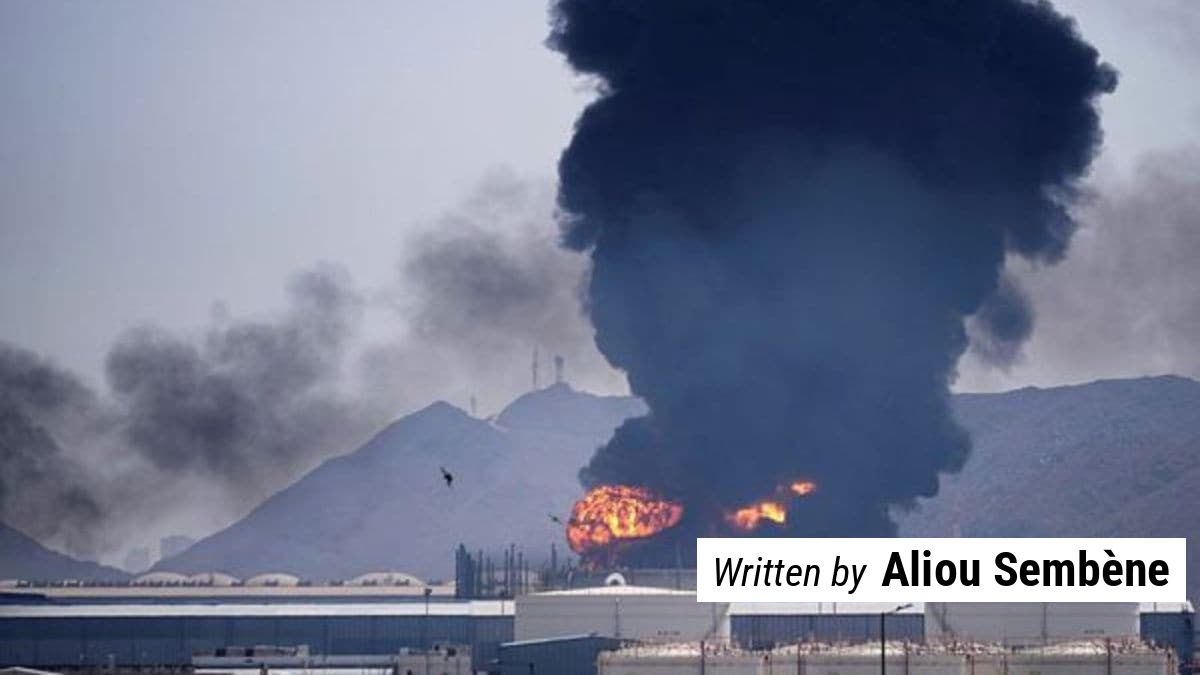
In Qatar, the state-owned QatarEnergy reported that 17% of its export capacity was compromised by Iranian strikes. The extensive damage at Ras Laffan, the world’s largest LNG hub, could take five years to repair. Each month of downtime at this site removes 1.5% from the annual global LNG supply, fundamentally altering market forecasts.
European energy benchmarks reacted sharply, with Dutch wholesale gas prices climbing 24% to €68 per megawatt hour. In the United Kingdom, gas prices jumped 23% to 172p per therm on Thursday. These figures represent more than double the costs seen before the war, threatening to significantly increase household utility bills across Europe.
Regional infrastructure across the Middle East is now vulnerable, including Abu Dhabi’s Habshan and Bab facilities, which were forced to shut down. Shell confirmed its Pearl gas-to-liquids plant was also targeted, though it remains in a safe state. Donald Trump warned of massively blowing up Iran’s South Pars field if further aggression occurs.
Global financial centers are suffering, with Japan’s Nikkei falling 3.4% and the FTSE 100 dropping 3%. Economists warn that persistent high energy costs could push inflation toward 5%. This pressure may force the Bank of England to raise rates to 4% by July, moving away from previously anticipated interest rate cuts.
Maritime security risks have expanded beyond the Strait of Hormuz to include all Middle East logistics systems and offshore infrastructure. Experts suggest that diplomatic agreements for safe ship passage should be viewed with caution. The aviation sector also warns of higher ticket fares as fuel hedging strategies provide less protection against these rising costs.