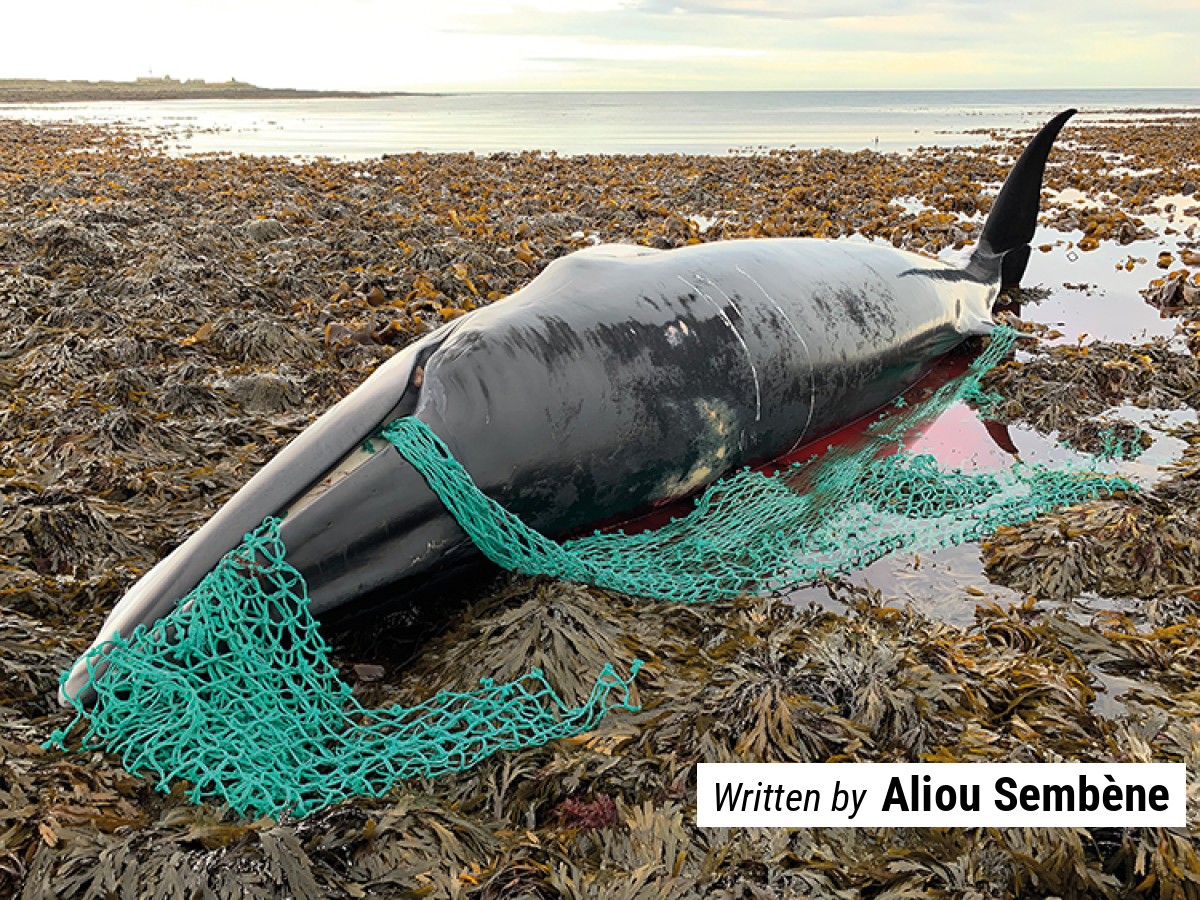
- A report found that loyalty to their pod caused 55 whales to strand in Scotland.
- The group entered shallow waters while following a female whale during a very difficult birth.
- Coastal geography and sediment likely created an acoustic trap that prevented the whales from escaping.
A tragic event on the Isle of Lewis resulted in 55 pilot whales dying on Tràigh Mhòr beach. While researchers initially considered trauma or industrial noise as potential causes, a new report clarifies the situation. The findings suggest that the mammals were victims of their own social bonds and biological instincts during the incident.
The investigation by the Scottish Marine Directorate identified a specific catalyst for the mass stranding. The highly social pod followed a single female that was struggling with a prolonged and difficult labor process. This individual distress signal triggered a collective protective response, drawing the entire group into dangerously shallow coastal waters.
Dr. Andrew Brownlow noted that such social cohesion is typically a survival mechanism against predators in the open ocean. However, in this specific environment, the gentle slope of the seabed became a hazard. The fine sediments and unique water depths likely interfered with the group’s natural ability to navigate using echolocation.
Once the whales entered the bay, they were caught in what scientists describe as an acoustic trap. The suspended sediments likely muffled signals, making it impossible for the healthy whales to find a path back to the deep. Rescuers eventually had to euthanize the animals on the shore to end their suffering.
Data indicates that mass strandings in Scottish waters have surged by 300% over the last 30 years. This particular 2023 case helps experts analyze a separate stranding of 77 whales that occurred later in Orkney. Understanding these complex biological and environmental intersections remains a primary goal for marine scientists studying the changing Atlantic.
Although human-made noise was ruled out in this instance, other species remain at risk from industrial activities. For example, recent sperm whale strandings across Europe have sparked concerns regarding impacts of deep-sea sound pollution. Researchers continue to monitor how various external pressures drive different whale species into shallow, fatal environments.