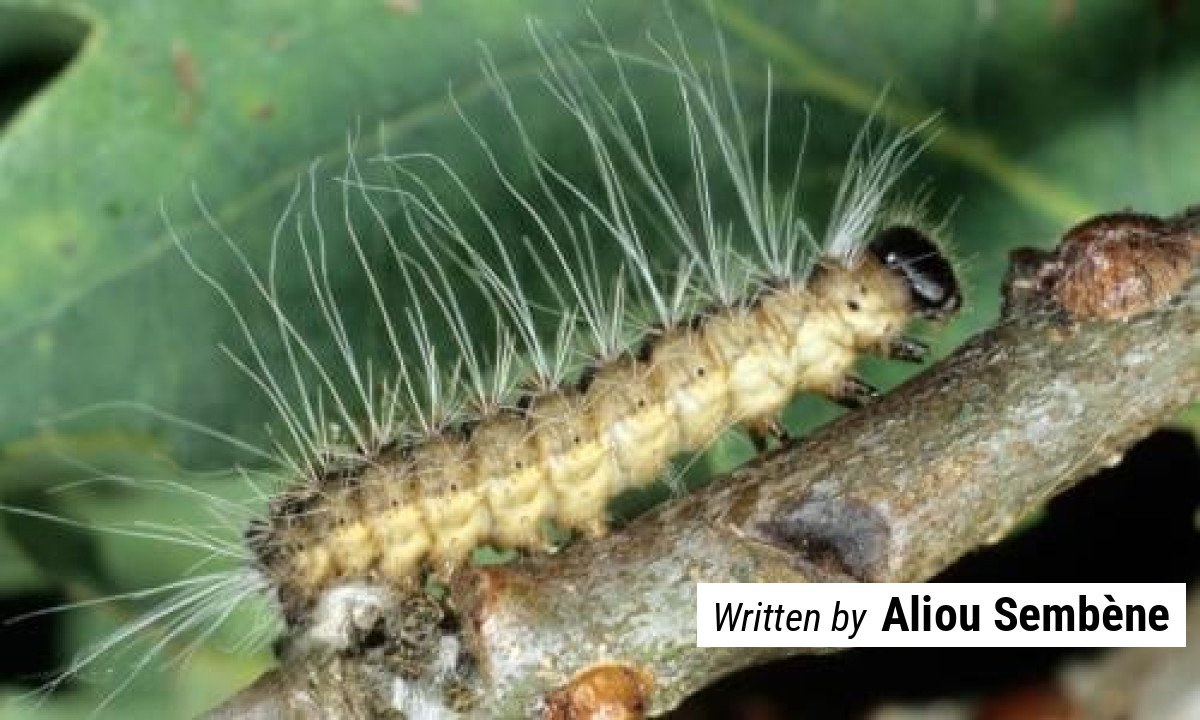
- Charities urge gardeners to tolerate caterpillars to protect declining moth populations.
- UK moth numbers have dropped 33 percent since the nineteen sixties.
- Native plants like foxgloves and bedstraw support caterpillar survival and biodiversity.
When spring arrives and gardens flourish with new growth, a critical shift in conservation thinking is emerging. Environmental organizations are challenging the traditional gardening practice of eliminating caterpillars from vegetable patches and ornamental beds. Instead, charities now encourage accepting caterpillar damage to support moths, species facing dramatic population declines across the UK.
The situation has become urgent. Moth populations have plummeted by 33 percent since the nineteen sixties, with approximately 2,500 species at risk throughout Britain. Habitat destruction, climate disruption, and pollution have created a perfect storm for these insects, making their survival increasingly precarious in modern landscapes.
Rather than reaching for pesticides, gardeners can employ alternative pest management methods for prized plants. Physical barriers, manual removal, and careful pruning protect vulnerable specimens without harming the caterpillars that will metamorphose into moths. This balanced approach acknowledges that damage to some plants is a worthwhile trade-off for ecosystem recovery.
Moths deserve recognition beyond their role as caterpillar producers. These nocturnal insects serve as vital food sources for birds, mammals, and other garden creatures facing their own population pressures. Many species display remarkable beauty, from the pink and green elephant hawk moth to the striking Jersey tiger moth with its bold red, cream, and black coloring. Transforming into such magnificent creatures requires caterpillars to consume substantial amounts of plant material, making their appetites an ecological necessity rather than a garden nuisance.
Strategic planting can actively support caterpillar populations throughout the growing season. Native species including foxgloves, lady’s bedstraw, mullein, willow, and honeysuckle provide essential nutrition for diverse caterpillar varieties. Establishing mixed native hedges featuring hawthorn, blackthorn, hazel, and dog rose creates corridors where caterpillars can thrive and complete their life cycles, ultimately restoring moth populations and enriching garden biodiversity.