- Global markets declined despite Trump’s naval escort proposal for oil tankers.
- Strait of Hormuz shipping halted after US-Israel military operations against Iran.
- Oil prices rose significantly as energy supply concerns intensified worldwide.
Equity markets across the globe experienced sharp declines on Wednesday, even as the US administration sought to reassure investors with military solutions. Trump pledged US Navy protection for vessels navigating critical shipping routes. The administration emphasized that American forces had effectively cleared Iranian military assets from key waterways, yet this reassurance failed to stabilize investor confidence or reverse downward market momentum.
Tensions in the Middle East have severely disrupted one of the world’s most essential maritime corridors. Following weekend military strikes by the US and Israel, Iran effectively closed passage through the strait, creating immediate apprehension about sustained shortages. This critical waterway typically handles roughly one-fifth of global oil supplies and seaborne liquefied natural gas shipments, making any prolonged closure economically consequential.
Asian financial markets bore the brunt of investor pessimism on Wednesday. South Korea’s main index fell dramatically before partial recovery. Seoul halted trading briefly after the Kospi plunged 11.3%, eventually closing down 7.7%. Japan’s Nikkei 225 also retreated, falling 3.9% during Tokyo trading. The widespread selloff reflected heightened anxiety across the region about geopolitical escalation and energy supply uncertainty.
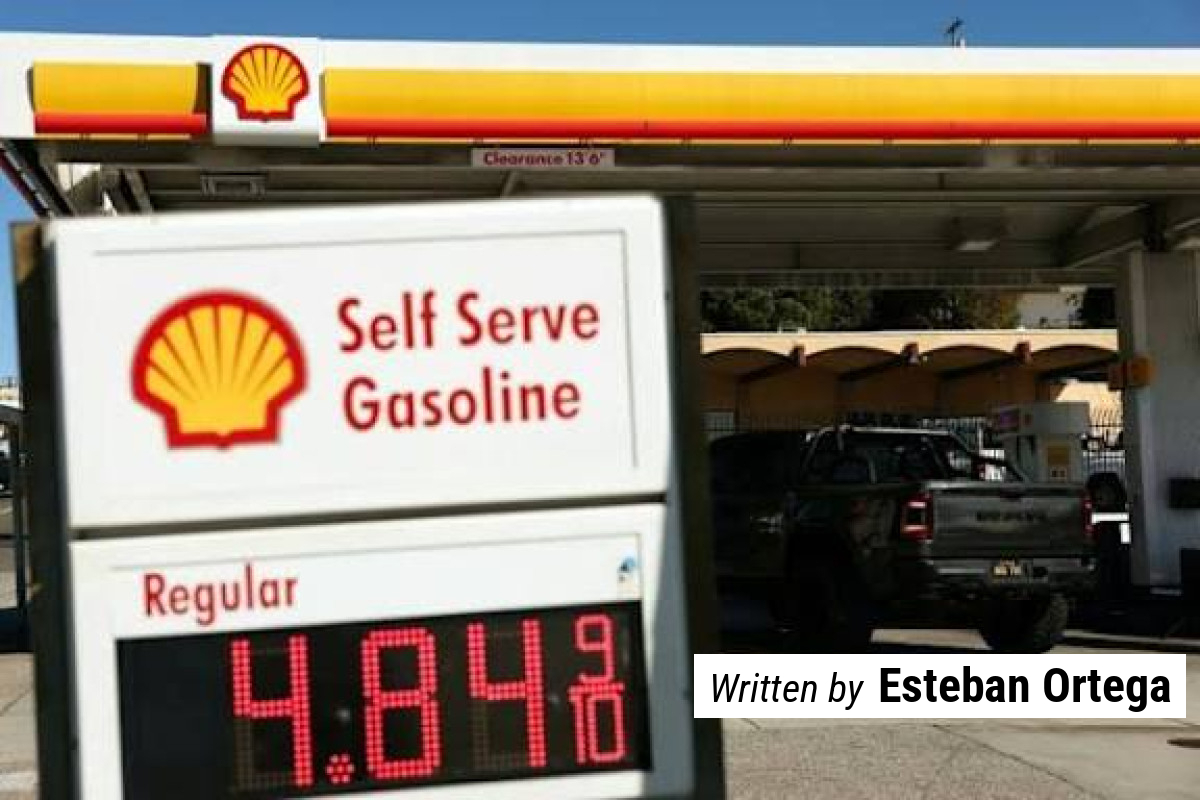
Energy prices continued ascending despite governmental intervention attempts. Brent crude, the international oil benchmark, climbed 1.4% to reach $82.53 per barrel on Wednesday, achieving its strongest pricing since January 2025. Goldman Sachs leadership indicated that financial markets would require substantial time to evaluate the full implications of recent military operations. Industry executives predicted weeks needed for proper market assessment. David Solomon suggested that investors typically respond cautiously to geopolitical developments unless they directly threaten economic growth trajectories.
Read also: Football : Hull could face a points deduction while competing in the Premier LeagueThe US administration attempted damage control through promised security measures. Trump proposed offering political risk insurance at competitive rates for ships transiting the gulf waters. He committed that American naval forces would commence escorting operations through the strait immediately if necessary. However, reports of additional shipping incidents near the UAE and Oman continued emerging, signaling persistent hazards despite military assurances and deterrence efforts already underway.